• Skip to main content
  • Skip to primary sidebar
  • Skip to footer

Devine Concepts

Mobile Electronics Expert in Naples, Florida

  • Home
  • Services
    • Car Audio
    • Custom Installation
    • Driver Safety
    • Radar / Laser Detectors
  • About Us
    • Awards and Accolades
    • Meet the Team
    • Virtual Tour
  • Location
  • Contact Us
  • Facebook
  • Instagram
  • YouTube
  • Search

PRODUCTS

Product Spotlight: KICKER KEYLOC

BestCarAudio.com - December 29, 2025

KICKER KEYLOC

There are a dozen or so high-quality line output converters available to help your installer integrate an amplifier into a factory-installed audio system. That said, most of them are simple devices that do nothing more than adjust voltage gain and perhaps apply some equalization to the signal. KICKER’s KEYLOC is a unique solution because it features a built-in digital signal processor that undoes equalization, delays, and all-pass filters applied to the factory signal. The goal is to establish a clean signal that you can build on. Let’s check out the outstanding KICKER KEYLOC.

Basic Features of the KICKER KEYLOC

Let’s start with the basics. The KEYLOC is a two-channel line output converter that can accept up to 10 volts of signal in low-level mode and an impressive 40 volts in high-level mode. In low-level mode, the KEYLOC presents a 60-ohm load to the driving amplifier. Many factory-installed source units and amplifiers will go into protection mode without a proper load. External resistors are available from KICKER if needed for high-level operation. The maximum output of the KEYLOC is 10 volts.

The KEYLOC measures 5.5 by 2.75 inches in footprint and is 1.375 inches thick. A Molex connector on the left side includes two speaker input channels, power and ground connections, and remote turn-on and remote output wiring. The remote output activates automatically when the KEYLOC detects a DC offset voltage on the input speaker wires, enabling an aftermarket amplifier to turn on. There are a pair of RCA output jacks on the right side of the chassis to feed your new amplifier.

The top panel of the KEYLOC features two stereo potentiometers and a display with five LEDs. The pots are for adjusting input sensitivity and output voltage. The LEDs indicate power and are part of the signal testing and KEY processing features of the KEYLOC.

KICKER KEYLOC
The LED display on the front panel of the KEYLOC provides your installer with information about frequency response and correction processing.

Audio Analysis Tool

Depending on the design of your factory audio system, it might be difficult to find a full-range signal. The Low, Mid, and High LEDs on top of the KEYLOC can be used with the provided pink-noise test track to determine whether you have a full-range signal. The Low indicator illuminates when there is sufficient audio information in the 20 Hz to 200 Hz range. The Mid indicator monitors 200 Hz to 2 kHz, and the High LED monitors audio above 2 kHz. If you are missing low- or high-frequency information, the KEY processing will not produce a full-bandwidth signal for your new equipment.

The KEY to Audio Excellence

The KEYLOC uses KICKER’s patent-pending KEY algorithm to analyze a special audio test signal. The signal includes sine sweeps, pink noise, and impulses, which reveal frequency response, signal delay, and all-pass filter processing. Once measured, the KEYLOC applies its own signal processing to eliminate these attributes from the audio signal. The result is a flat frequency response signal that will allow new speakers, amplifiers, and processors to sound amazing. The process is fully automated and takes between two and 10 minutes to complete. Your installer can even temporarily bypass the correction to demonstrate how much the system has improved thanks to the KEYLOC.

KICKER KEYLOC
The KEYLOC is small enough to hide behind the radio in your dash, yet powerful enough to correct even the most complex audio signals.

Why You Need the KICKER KEYLOC

Factory-installed audio systems are typically designed to extract the best possible performance from inexpensive speakers. As such, radios and amplifiers include signal processing such as equalization, delays, and all-pass filters to create an optimized listening experience. Don’t be fooled: this processing is present even in simple “radio-only” systems and isn’t exclusive to premium systems with complex multi-channel amplifiers.

The goal of upgrading a car audio system is, of course, to make it sound better. As such, you are likely to add subwoofers and new speakers to the vehicle. The equalization that worked with the factory speakers is not likely to be ideal for the higher-performance options you’ve chosen. Eliminating factory processing with a product like the KICKER KEYLOC is crucial to achieving great sound in your car, truck, or SUV. The KEYLOC is also great for motorcycles, side-by-sides, and marine applications.

Visit a KICKER Dealer Today

When it’s time to make your vehicle’s stereo sound better, drop by an authorized KICKER retailer to find out whether the KEYLOC is needed to undo the signal processing built into your factory-installed audio system. You can find an authorized KICKER retailer near you using the Dealer Locator on the KICKER website.

Be sure to follow Kicker on Facebook, Instagram and YouTube to keep up with the latest product releases from our friends in Stillwater.

This article is written and produced by the team at www.BestCarAudio.com. Reproduction or use of any kind is prohibited without the express written permission of 1sixty8 media.
Filed Under: ARTICLES, Car Audio, PRODUCTS, RESOURCE LIBRARY Tagged With: KICKER

Product Spotlight: Audison AV 12 D2 II

BestCarAudio.com - December 22, 2025

Audison AV 12 D2 II

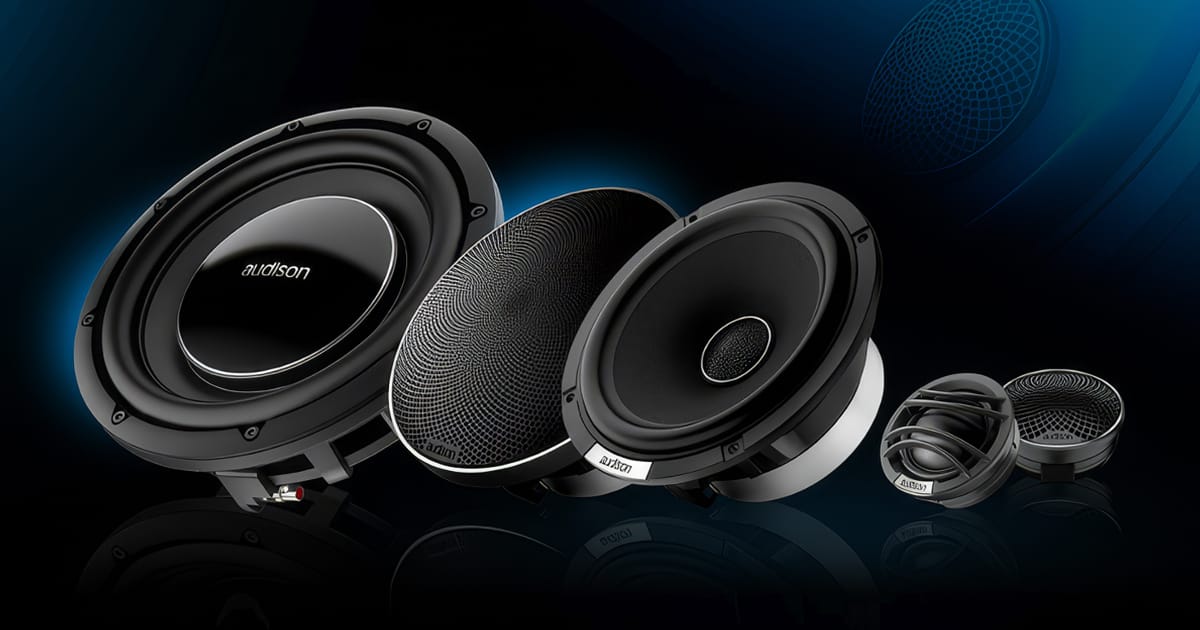
Subwoofers with minimal mounting depth requirements continue to grow in popularity. To meet that demand, the team at Audison has introduced a larger, more robust option to complement their well-regarded Prima Series. The new Voce II subwoofer line includes ten- and twelve-inch models engineered for higher power handling and increased excursion. In this spotlight, we’ll take a closer look at the 12-inch Audison AV 12 D2 II.

Audison AV 12 D2 II
Audison includes a heavy-duty mesh grille with each Voce II subwoofer to protect them from damage.

Features of the Voce II Subwoofers

As its name suggests, the AV 12 D2 II is a 12-inch subwoofer. It requires only 3.46 inches of mounting depth, making it an excellent solution for trucks or vehicles where space is at a premium.

The D2 suffix identifies its dual two-ohm voice coil configuration. A dual four-ohm version, designated D4, is also available. Ten-inch Voce II models share the same design principles and construction quality.

Audison rates the AV 12 D2 II at 550 watts continuous and 1100 watts peak power handling. This capability comes from a 1.5-inch six-layer copper-clad aluminum wire voice coil. To help keep the motor assembly cool during extended use, the basket and motor structure incorporate Audison’s Airflow Venting Cooling (A.V.C.) architecture.

The woofer is built on a custom-tooled, cast-aluminum eight-spoke frame. Instead of the traditional vent through the center of the T-yoke, the AV 12 D2 II uses four large vents in the bottom plate below the spider. Combined with the air gaps between the magnet and chassis, these openings form part of the A.V.C. system.

Audison AV 12 D2 II
The heavy-duty basket and integrated A.V.C. features ensure these subwoofers can dish out prodigious amounts of bass and will last for years.

The cone and dust-cap support assembly is a one-piece injection-molded polypropylene structure. The dust-cap face piece is bonded and supported around its perimeter just above the fiberglass voice coil former. This design minimizes unwanted flexing or resonance. Audison refers to this reinforcement method as Radial Reinforced Frameworks (R.R.F.).

A single ferrite magnet serves as the motor structure. The six-layer voice coil is connected via tinsel leads, internally supported by the R.R.F. and externally by large spring-loaded terminals mounted to the chassis. These terminals can accept up to 8-AWG speaker wire for maximum current transfer and include labels for which of the two coils they are connected to. There are wire management tabs built into the terminals as well.

Audison AV 12 D2 II
Cutaway view of the Audison AV 12 D2 II subwoofer.

Specifications of the Audison AV 12 D2 II

Digging into performance parameters, the AV 12 D2 II features a resonant frequency (Fs) of 23 Hz, an equivalent compliance (Vas) of 2.225 cubic feet, and a Total Q (Qts) of 0.5. Cone excursion is rated at 16.8 mm, voice coil inductance is 4.3 millihenries, and sensitivity is 85 dB SPL.

We modeled the driver in BassBox Pro using Audison’s recommended 0.957 cubic foot sealed enclosure. The simulation shows an impressive -3 dB point of 38.4 hertz with a system Q (Qtc) of 0.812. The software also predicts solid cone control down to single-digit frequencies at the rated 550-watt continuous input.

Audison AV 12 D2 II
Predicted free-field frequency response of the Audison AV 12 D2 II subwoofer in a 0.957-cubic-foot sealed enclosure.

Upgrade Your Car Audio System Today with Audison

If you’re shopping for a high-performance subwoofer that delivers excellent output, requires very little mounting depth, and features advanced cooling technologies, the Audison AV 12 D2 II should be on your shortlist. Visit a local authorized Audison retailer to audition the 12-inch model or its 10-inch counterparts. They can help determine the best solution for your vehicle and listening preferences. Find an authorized dealer here.

To learn more about Audison’s Voce II subwoofers and speaker systems, visit their website. Be sure to follow Audison on Facebook, Instagram and YouTube to stay up to date with all their latest product releases.

This article is written and produced by the team at www.BestCarAudio.com. Reproduction or use of any kind is prohibited without the express written permission of 1sixty8 media.
Filed Under: ARTICLES, Car Audio, PRODUCTS, RESOURCE LIBRARY Tagged With: Audison

Product Spotlight: Rockford Fosgate Punch P1V2-65

BestCarAudio.com - December 15, 2025

Punch P1V2-65

If there is a single word that car audio enthusiasts associate with the brand Rockford Fosgate, that would be “Punch”. From the early Punch amplifiers, speakers and subwoofers, this legendary name invokes music that hits hard with a signature sound that fanatics have grown to love. Fans have been waiting for the next generation of car audio gear from Rockford Fosgate and since the company recently announced a complete redesign of their famous Punch Speaker line, we wanted to check it out. In particular, we’ll look at the P1V2-65, better known as the Punch P1 6.5” coaxial.

Design of the Punch P1V2-65 Speakers

The new Punch speakers are grouped differently from the outgoing models. The P1 series that we’ll examine first is a series of coaxial three-way speakers available in sizes ranging from 2.5 to 6.75 inches, including 3.5, 4, 5.25, 6.0, 6.5, 6×8, and 6×9. Yep, that’s something for almost any door, dash, pillar or parcel shelf on the road. The P1V2-65 is a 6.5-inch three-way coaxial set that includes a pair of drivers, mounting screws and spade terminals.

Starting from the top down, we find a glass-fiber-reinforced nylon basket with a unique hexagonal, six-spoke design. Those who pay attention to performance-enhancing features will note that the design is open under the spider mounting plateau, allowing for linear cone travel and enhanced cooling. The P1V2-65’s power handling is rated at 75 watts continuous and 150 watts peak.

The mounting flange features what Rockford Fosgate calls their Auto Fit Architecture, which features a Factory Location Woofer Ring (F.L.W.R.) for easy fitment in OEM mounting locations. The goal here is to ensure the woofer bolts into your doors with no need to drill new holes. The drivers are 2.5 inches deep, but the magnet cover can be removed to reduce the depth to 2.22 inches when required.

Punch P1V2-65
The new Punch P1V2-65 speakers are based around glass-fiber-reinforced Nylon baskets.

Woofer Design Features

The woofer cone is attached to the basket with VAST 2.0 technology. The Santoprene rubber surround is as large as possible, resulting in these drivers having about 25% more effective cone area than competing solutions. This means more bass and improved efficiency. The cone is made from mica-reinforced polypropylene. The mica mineral enhances damping and thermal stability. The cones have a curvilinear shape for additional rigidity and resistance to resonance. The curvilinear design isn’t just for looks, as this feature significantly improves the dispersion of the audio for better sound quality. Interestingly, the surround is injection-molded (chemically bonded) directly onto the cone to ensure a reliable connection and predictable mass. The elimination of glue at this joint dramatically improves driver-to-driver consistency.

At the base of the woofer cone is a vented Kapton former. The driver has a nominal impedance of four ohms, making it compatible with all factory and aftermarket source units and amplifiers. A linear Nomex spider handles compliance. The tinsel leads are sewn to the spider to ensure they don’t add noise at high power levels.

Punch P1V2-65
VAST 2.0 dramatically increases the effective cone area of the woofer compared to conventional speaker designs.

Tweeters Bring the Details

As we mentioned, the Punch P1V2-65 is a three-way speaker. As such, it has a pair of tweeters. The main tweeter has a diameter of 0.75 inches and features an inverted 0.75-inch Tetolon® dome design. The super-tweeter has a diameter of 0.375 inches and sits near the edge of the main tweeter in a configuration called Tru-Sight™, similar to the eye-sight configuration of a hunting rifle. The super-tweeter uses a polypropylene dome design.

So, why add a super-tweeter? As we’ve explained many times, all speakers become directional at high frequencies. That frequency depends on the cone diameter. With a 0.75-inch tweeter, sounds above about 13 kHz will be quieter off-axis to the speaker. Since most car audio installations have us listening to the speaker’s output (as you’d find in a door) at 60 degrees, adding a super-tweeter to fill in those upper frequencies will ensure you can always hear your music.

The crossovers for the tweeters are integrated into the basket. Rockford Fosgate refers to this as their Internal Concealed Crossover (ICC+) design. They use a cap for each tweeter to provide a 6 dB/octave roll-off.

Punch P1V2-65
The tweeter doesn’t protrude above the surround, so stock speaker grilles should fit in place without modification.

Premium Features Deliver Big Sound

The features of the new Rockford Fosgate Punch P1V2 drivers are truly impressive. Excellent materials, intelligent design and thoughtful execution should combine to make these an affordable high-performance solution. Not to mention, Rockford Fosgate spent considerable time ensuring the sonic signature lives up to the PUNCH legacy. To learn more about P1V2 speakers, visit a local authorized Rockford Fosgate retailer. You can find a shop near you using the locator tool on the Rockford Fosgate website.

Be sure to follow Rockford Fosgate on Facebook, Instagram and YouTube to keep up with all new product releases coming this year.

This article is written and produced by the team at www.BestCarAudio.com. Reproduction or use of any kind is prohibited without the express written permission of 1sixty8 media.
Filed Under: ARTICLES, Car Audio, PRODUCTS, RESOURCE LIBRARY Tagged With: Rockford Fosgate

Choosing the Best Car Starter Remote

BestCarAudio.com - December 8, 2025

Best Car Starter

Under the hood, most remote car starters are very similar. Most brands offer two or three different controllers and allow the shop you work with to bundle those units with different remotes, providing varying levels of range and features. In this article, we partnered with the industry-leading remote starter manufacturer Compustar to explain the different options available to consumers. Here’s a simple guide to make choosing the best remote car starter easy.

Shopping for a Remote Car Starter

The shop you choose to install a remote starter is just as important as the hardware and remote you select. Working on modern cars and trucks isn’t as easy as it was decades ago. A modern starter needs to communicate with the engine management system, vehicle body control modules, and factory-installed security systems to function correctly. Making the proper connections and executing the correct programming are tasks best handled by an expert.

If you shop for the lowest-priced remote starter, the chances of issues down the road are exponentially higher than if you choose an expert shop that takes pride in professional installation.

Forego the urge to shop over the phone—visit retailers in your area instead. You’ll quickly get a sense of who is professional and who you should avoid.

1. Remote Start Range

The most significant difference between car starter key fobs is their range. Most modern factory-issued key fobs have a range of a few hundred feet. This means you can likely start your car from across a small parking lot, but you might not be able to start it from inside a store.

Aftermarket fobs range from 1,500 feet to three miles under ideal conditions. It’s better to think of these offerings as power levels. For example, the Compustar CS-925S starter system remote is rated to provide up to 1,500 feet of range. This remote provides two to three times as much power as a factory remote, often doubling or tripling the effective range.

Best Car Starter
The affordable Compustar CS925-S remote starter includes remotes rated for up to 1,500 feet of range.

At the opposite end of the spectrum, some remotes are rated for two to three miles. If you work in a large building, you’ll want the added power of these solutions.

2. Number of Buttons

Remote car starter fobs are available in two styles based on the number of buttons: one-button and multi-function.

One-button remotes are a good choice if you will continue to carry a factory remote that includes a trunk release button. The factory remote often serves as the vehicle’s key and is required to start the car or truck.

Multi-function remotes have four or five buttons that provide dedicated access to locking/arming, unlocking/disarming, trunk release, remote start, and auxiliary functions. The number of buttons on a remote doesn’t define its quality or range—only the number of functions you have access to.

Best Car Starter
The Pro 1WG18 remote provides up to 1,500 feet of range and is backed by a three-year warranty as part of the PRO Series.

3. One-Way and Two-Way Remotes

Another key feature to consider is whether you want a one-way or two-way remote.

With a one-way remote, you send a command to the vehicle by pressing a button. If the car is in range, the command will be executed. If you are too far away, nothing happens.

With a two-way remote, any command sent by the remote and executed by the vehicle is confirmed back to the remote. The remote will beep and flash an LED or icon to notify you. You’ll get confirmations for locking, unlocking, remote starting, and other features.

As a subset of two-way remote options, you can pick from LED or LCD visual indicators. An LED remote will have at least one, often three LEDs that flash to indicate when a command has been executed.

Best Car Starter
The Prime 2WG17 remote includes three LEDs that flash to let you know when the vehicle is locked, unlocked, or the remote starter has been activated.

An LCD remote is considered the highest-end option. These remotes use a small LCD screen with icons to show what commands have been executed and the status of your vehicle. For example, a lock symbol on the remote confirms that the vehicle executed a lock/arm command.

Best Car Starter
The five-button two-way 2WQ9 remote has a two-color LCD that indicates vehicle status.

4. Battery Type

All remotes require a battery to function. The most common type is the CR2032 coin cell. These three-volt batteries are compact, inexpensive, and typically provide more than a year of service in one-way remotes and many months in two-way remotes. It’s a good idea to purchase an extra battery when you buy the remote so you’re prepared when it wears out.

Best Car Starter
The Prime 1WR3 one-button remote uses a CR2032 coin cell as a power source.

Many premium remotes have a built-in lithium-polymer or lithium-ion rechargeable battery. These remotes include a Micro-USB or USB-C port for charging. Under normal use, these two-way LCD units last three to five months between charges. Charging only takes a couple of hours and can be done from any powered USB port—even in your vehicle while driving. One tip: it’s best to limit the charge current to these cells. Using a 500 mA wall charger will maximize battery life.

Best Car Starter
The impressively durable Compustar T12 remote features up to 3 miles of range, an LCD screen, and a rechargeable battery.

5. Weather-Proof Designs

Some remotes, like Compustar’s flagship models, have a full IPX-7 waterproof rating. Basic remotes are typically water-resistant. If you’re prone to dropping your keys or leaving them in your pocket on laundry day, consider a waterproof solution.

Best Car Starter
The Pro T13 remote features an IPX-7 waterproof design and an industry-leading range of three miles.

6. Warranty

When shopping for a remote starter, it’s essential to understand the warranty coverage offered by your retailer and the hardware manufacturer. In most cases, the brain or controller is backed by a lifetime warranty. Additionally, these components should be reprogrammable if you plan to use the hardware in another vehicle with a new harness.

Remotes typically come with a one-year warranty, but premium options, such as Compustar’s PRO Series, offer a three-year warranty for added peace of mind.

Finally, don’t forget to ask about the warranty on labor or workmanship. Many reputable shops provide a lifetime warranty on their installation work, ensuring your remote starter continues to function reliably for years to come.

7. Smartphone Control Options

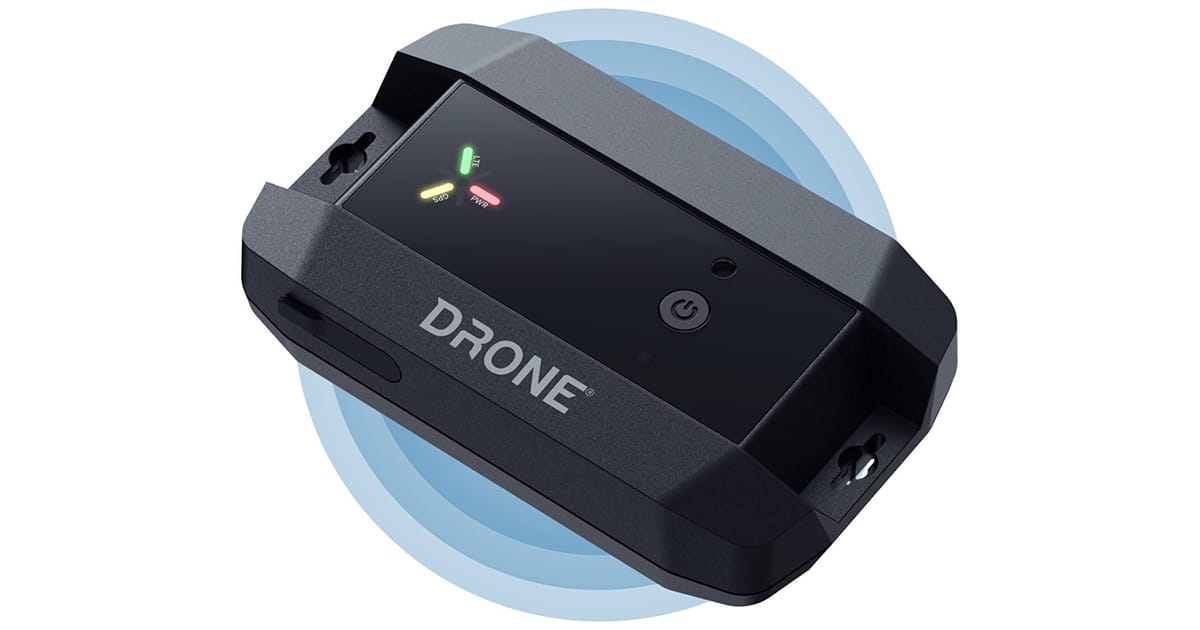
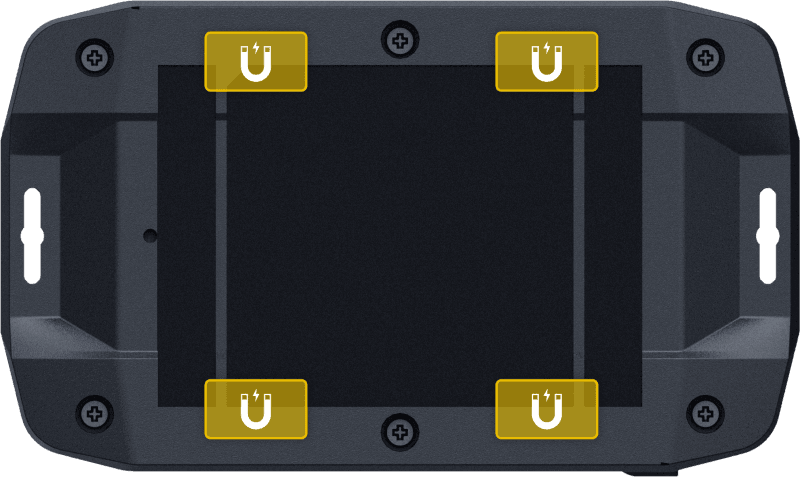
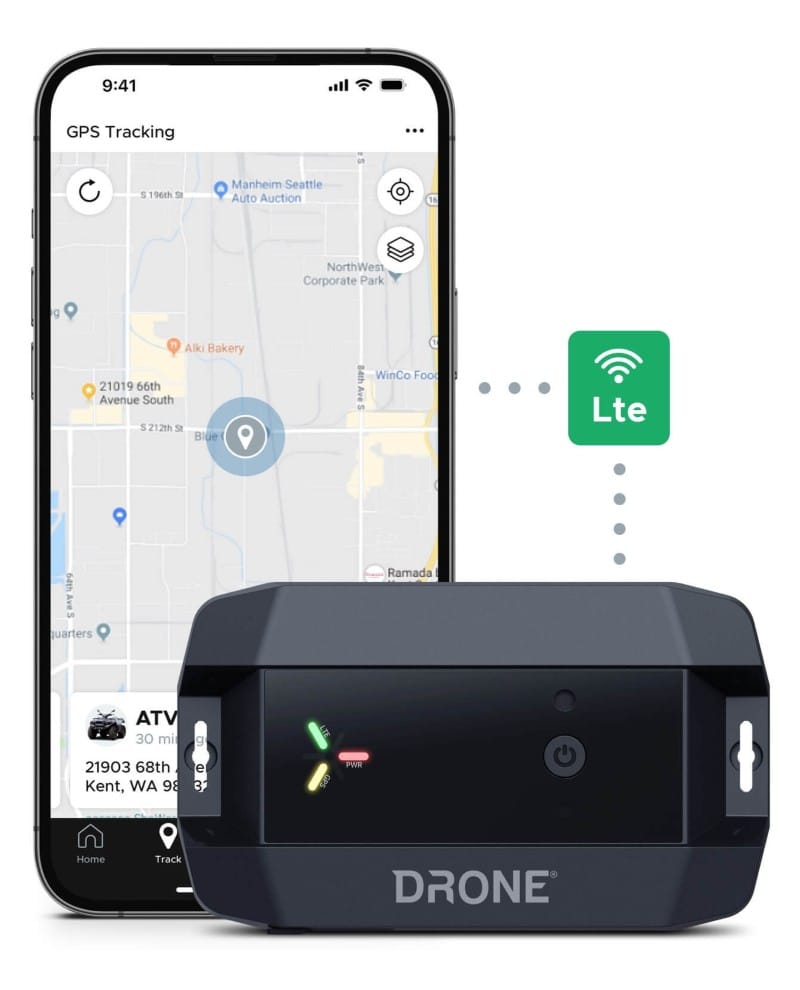
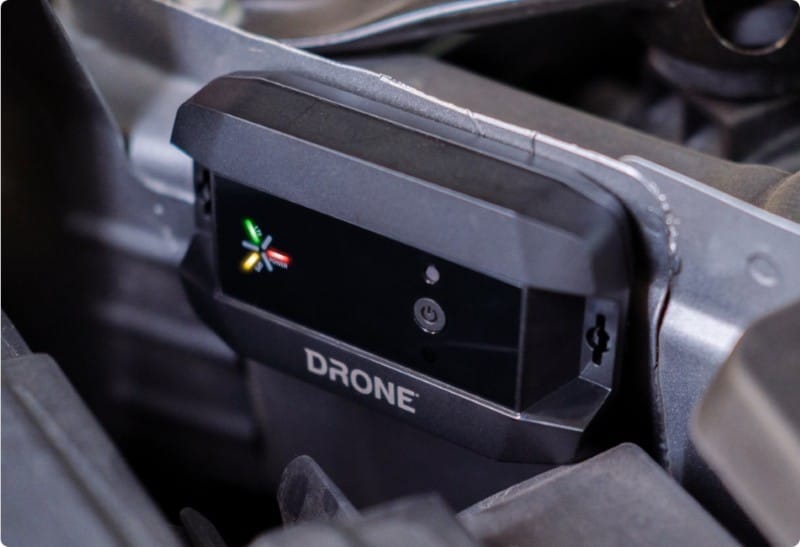
Another option is a smartphone control solution such as Drone. Drone works with an app on your phone that communicates with a small transceiver in the vehicle via the local cellular network. The app allows you to lock, unlock, remote-start, and control auxiliary features, and confirm commands within seconds.

There is a small monthly charge for the cellular service. Retailers can explain available features and service plans, including vehicle tracking and geofencing.

Note: Because Drone and similar services rely on the internet and cellular networks, always carry a regular key fob as a backup in case these services go down. You don’t want to be locked out.

Best Car Starter
The Drone smartphone control system allows you to use your phone to send commands to your remote car starter.

Pick the Best Remote for Your Use Case

When shopping for a remote car starter, your Product Specialist should ask where you park your vehicle relative to where you’ll be when you want to remote start it. If you work in a large manufacturing plant, hospital, or warehouse, you’ll want a long-range remote. If you only start your car in the driveway, range is less critical.

The discussion should also cover features such as trunk/hatch/tailgate releases and power-sliding doors on minivans. Multi-function remotes are ideal for applications that require more than just locking, unlocking, and starting.

Giving your car or truck a few extra minutes to warm up not only makes your commute more comfortable but also allows the engine to operate with warmer coolant and oil, reducing friction and fuel consumption. A remote car starter also makes a great holiday gift—just make sure you pick the best remote for the recipient’s needs.

This article is written and produced by the team at www.BestCarAudio.com. Reproduction or use of any kind is prohibited without the express written permission of 1sixty8 media.

Filed Under: ARTICLES, PRODUCTS, Remote Car Starters, RESOURCE LIBRARY

Product Spotlight: Rockford Fosgate PM400X4

BestCarAudio.com - November 17, 2025

Rockford Fosgate PM400X4

Contrary to how some marine audio amplifier manufacturers approach the design of their products, an amplifier designed for a boat isn’t just painted a different color. From coatings on the circuit board and the finish on the heatsink to the materials chosen for the electrical connections, a marine amp needs to be designed from the ground up for reliability. In this spotlight, we’ll look at what makes the Rockford Fosgate PM400X4 a perfect solution for your marine audio application.

Specifications of the Rockford Fosgate PM400X4

The PM400X4 is a four-channel amplifier rated to produce 50 watts of power into four 4-ohm loads and 100 watts into 2-ohm loads. Each pair of channels can be bridged to provide 200 watts of power into two 4-ohm loads. The bridged configuration would be ideal for a pair of subwoofers or wakeboard tower enclosures, such as the 10-inch Rockford Fosgate M2WL-10H.

Performance-wise, Rockford Fosgate rates the amp as having a bandwidth of 20 Hz to 20 kHz with a tolerance of 1 dB. Most companies use a 3 dB rating. This is a Class A/B amplifier, so you know the frequency response with real dynamic loads is going to be ruler-flat to well beyond where humans can hear. Distortion is specified as less than 1%. We know from our testing that these amplifiers are capable of better than 0.02%, putting them in line with the cream of the crop.

Rockford Fosgate PM400X4
The PM400X4 is a four-channel Class-AB amplifier designed for marine applications.

Design Features

The PM400X4 is based on a cast aluminum heatsink that measures 11.03 by 7.76 inches and stands 2.38 inches tall. The heatsink is finished in a light grey powder coat that’s not only durable but also resistant to fading under prolonged UV exposure.

Speaker, signal, and power connections are made along the front edge of the amp. Terminal blocks with set screws accessible from the top of the amp ensure secure and reliable connections for up to 4-AWG power and ground wires and 8-AWG speaker connections. The terminal blocks use stainless steel hardware to prevent corrosion. The amp has four RCA input jacks that are slightly recessed into the front panel.

Rockford Fosgate PM400X4
Custom-tooled terminal blocks ensure that power and speaker cables are held in place securely.

Signal Processing and Controls

As you can see from the photos, there’s a removable panel on top of the amp that provides access to the controls. Each pair of channels has a sensitivity control that’s adjustable from 150 millivolts to an impressive 12 volts. The RCA input jacks have a balanced differential circuit design. Not only does this help eliminate noise, but it means your installer can connect the output of a factory radio or small amplifier directly to the PM400X4 without the need for a line output converter.

Each pair of channels has a crossover function switch that selects between high-pass, low-pass, or full-range operation. The associated frequency control is adjustable from 50 Hz to 250 Hz, and the crossovers have a -12 dB-per-Octave slope with a Butterworth alignment.

Additionally, Rockford Fosgate included a Punch EQ2 control with each pair of channels. Your installer can dial in up to 18 dB of boost at 45 Hz and 12 dB at 12.5 kHz to give your music a little kick or sizzle. In a marine application, the added high-frequency output can be very beneficial to systems where the speakers are mounted low under the seats.

Rockford Fosgate PM400X4
All the controls and adjustments are concealed behind a removable panel on the amplifier’s top panel.

Keeping Things C.L.E.A.N.

The PM400X4 includes Rockford Fosgate’s C.L.E.A.N. distortion-detecting circuitry on each channel. The amp features an input clip indicator LED beside the RCA jacks to optimize signal-to-noise performance. Each pair of channels has an output clip indicator to let your installer know when the amp reaches maximum output. Setting up an amp with the C.L.E.A.N. circuitry saves time and eliminates clipping, which can add unwanted high-frequency content and damage tweeters.

Element Ready Design

We’ve mentioned the UV-resistant powder coat finish and the stainless-steel terminal hardware. These are just part of the Element Ready design of the PM400X4. Additionally, the circuit board has a two-part epoxy coating that helps eliminate corrosion from exposure to salt, as you’d find near the ocean. The epoxy, combined with hot melt adhesive around significant components like the power supply capacitors, ensures that vibrations and impacts won’t damage the circuit board.

Upgrade Your Marine Entertainment System Today!

If you are interested in having an audio system upgrade designed for your boat, drop by a local Rockford Fosgate retailer. They can combine speakers, subwoofers, and a source with high-quality amplifiers like the Punch PM400X4 to create a system that will sound amazing and last for years.

To find an authorized retailer near you, use the locator tool on the Rockford Fosgate website. While you are online, check out their Facebook, Instagram, and YouTube feeds to stay up to date with the latest product releases and cool event coverage.

This article is written and produced by the team at www.BestCarAudio.com. Reproduction or use of any kind is prohibited without the express written permission of 1sixty8 media.
Filed Under: ARTICLES, Marine Audio, PRODUCTS, RESOURCE LIBRARY Tagged With: Rockford Fosgate

  • Page 1
  • Page 2
  • Page 3
  • Interim pages omitted …
  • Page 21
  • Go to Next Page »

Primary Sidebar

About Us

About Us

Devine Concepts is a mobile electronics retailer based in Naples, Florida. We are led by Adam Devine, a 20-year veteran in the industry and a Mobile Electronics Association top 50 … [Read More...]

Take a Tour of Our Facility

virtual tour

We invite you to tour our facility virtually. We hope you love what you see. (It’s even better in person!)

Car Audio

Car Audio

Devine Concepts in Naples, Florida, specializes in car audio. While some shops offer this as one of their services, it is the main focus in our facility. In fact, our owner Adam … [Read More...]

Radar / Laser Detectors

Radar / Laser Detectors

One of the specialties at Devine Concepts in Naples, Florida, is laser and radar detectors. We offer both portable and custom-installed solutions to our clients. It is our opinion … [Read More...]

Custom Installation

Custom Installation

Custom Installation

Devine Concepts in Naples, Florida, was founded in 2018 by Adam Devine, an MECP Master Installer with more than 20 years of experience,  and one of the most-awarded mobile … [Read More...]

Footer

Location


Get Directions to Devine Concepts

Address

Devine Concepts

14848 Old 41 Rd Suite 9
Naples, FL 34110
(239) 451-3210

Services

  • Car Audio
  • Custom Installation
  • Driver Safety
  • Radar / Laser Detectors

Connect with Us

  • Facebook
  • Instagram
  • YouTube

Store Hours

Monday, Tuesday, Wednesday, Thursday, Friday9:00 am – 5:00 pm

Copyright © 2025 Devine Concepts · Privacy Policy · Website by 1sixty8 media, inc. · Log in