• Skip to main content
  • Skip to primary sidebar
  • Skip to footer

Devine Concepts

Mobile Electronics Expert in Naples, Florida

  • Home
  • Services
    • Car Audio
    • Custom Installation
    • Driver Safety
    • Radar / Laser Detectors
  • About Us
    • Awards and Accolades
    • Meet the Team
    • Virtual Tour
  • Location
  • Contact Us
  • Facebook
  • Instagram
  • YouTube
  • Search

ARTICLES

Avoid Costly Car Audio Installation Mistakes with Certified Professionals

BestCarAudio.com - March 23, 2026

Car Audio Installation Mistakes

Upgrading your vehicle with aftermarket electronics and accessories can improve comfort, convenience, and performance. From advanced audio systems to safety cameras and connectivity upgrades, modern enhancements offer real value. However, when these systems are installed incorrectly, they can introduce long-term problems that far outweigh any short-term savings.

Many of the most expensive automotive electrical issues begin with poor installation practices. Choosing a shop that employs certified salespeople, installation technicians, and specialists is one of the most effective ways to prevent these problems before they start.

Common Installation Errors That Lead to Major Problems

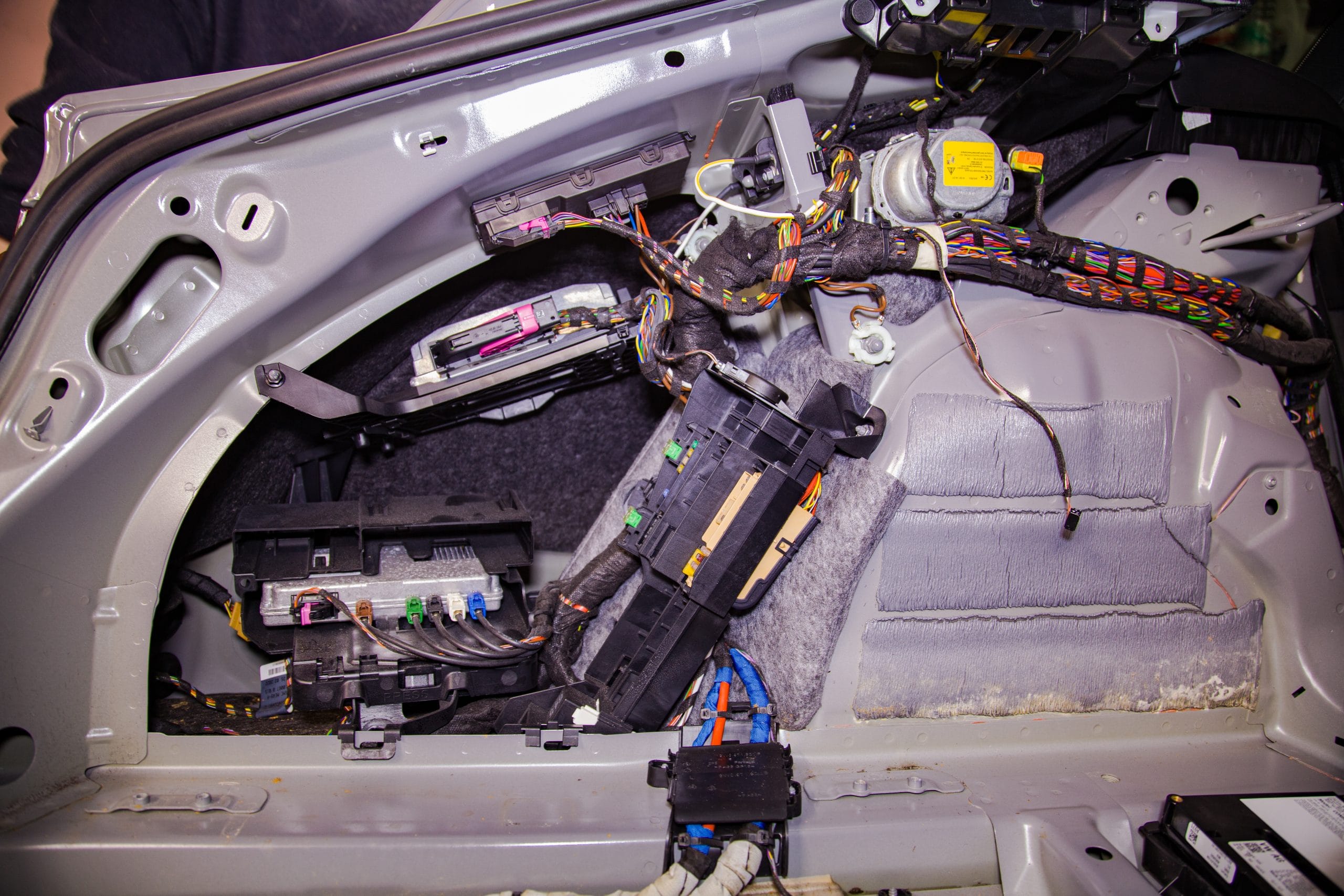
Improper aftermarket installations frequently look acceptable on the surface. Panels fit, systems power on, and everything appears to work. Unfortunately, hidden mistakes can remain unnoticed for months before causing failures.
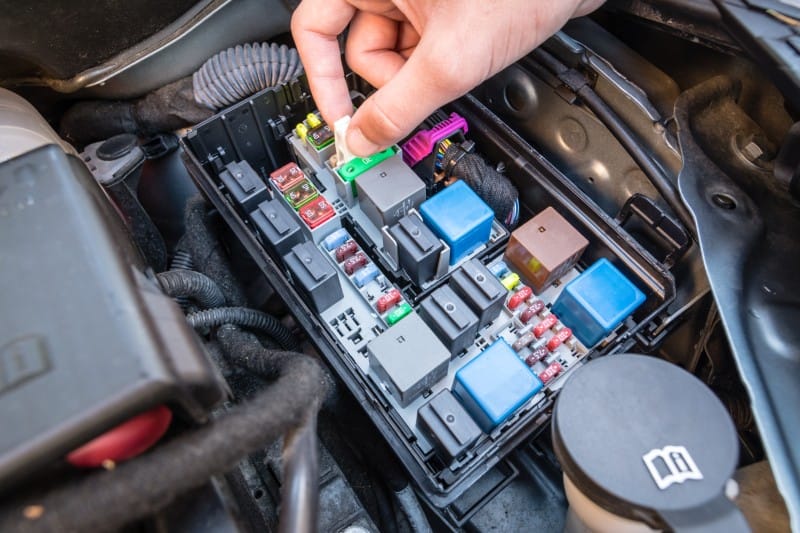
Car Audio Installation MistakesOne common problem is improper grounding. When components are grounded to painted surfaces, thin metal, or unstable mounting points, resistance increases. This leads to voltage drops, audio system noise, overheating, and premature equipment failure.

Another common mistake is overburdened circuits. Adding multiple accessories to factory wiring without calculating the electrical load can strain vehicle systems. Over time, this stress damages wiring, connectors, and control modules.

Unprotected wiring is also a major concern. Wires routed through sharp metal edges, moving parts, or hot engine compartments without proper protection eventually wear through. This can result in shorts, intermittent failures, or even fire hazards.

Bypassed or disabled safety systems represent one of the most serious risks. Incorrect integration with airbags, advanced driver assistance systems (ADAS), and factory sensors can compromise vehicle safety. These problems are often invisible until an emergency occurs.

Why Electrical Problems Often Appear Months Later
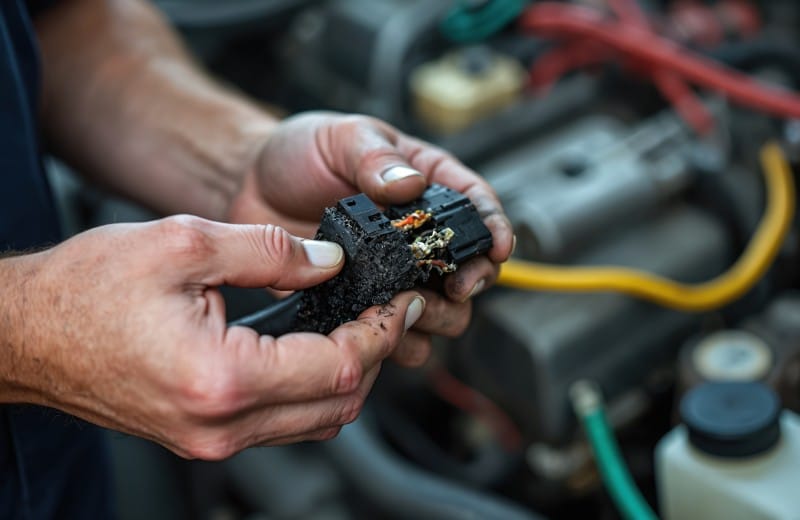
Car Audio Installation MistakesUnlike mechanical failures, electrical problems often develop slowly. Heat cycles, vibration, moisture, and normal vehicle movement gradually weaken poor connections and damaged insulation.

A loose ground may work for months before corrosion increases resistance. A poorly protected wire may take thousands of miles to wear through. An overloaded circuit may survive until a hot summer day pushes it beyond its limits.

When failures finally appear, the original installation work is rarely suspected. Vehicle owners commonly experience confusing symptoms such as intermittent shutdowns, warning lights, drained batteries, or random system malfunctions. Diagnosing these issues becomes time-consuming and expensive.

The Hidden Cost of Cheap or Unqualified Installation
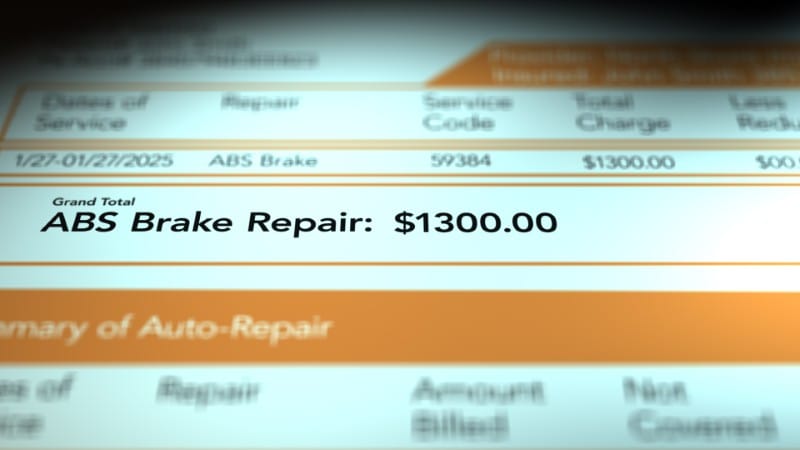
Car Audio Installation MistakesLow-cost installation may seem attractive at first, but repairs almost always cost more than proper installation. Tracking down electrical faults requires specialized tools, experience, and many hours of labor.

In some cases, damaged wiring harnesses must be replaced entirely. Control modules affected by voltage spikes can cost hundreds or thousands of dollars. Interior panels may need to be removed and reinstalled multiple times during diagnosis.

These hidden costs add up quickly. What initially saved a small amount of money can turn into a major financial setback. More importantly, unreliable electronics undermine your vehicle’s confidence and may affect its resale value.

How Certified Professionals Prevent These Problems

Shops that employ certified personnel follow organized procedures and technical standards designed for modern vehicles. Programs such as the Mobile Electronics Certified Professional (MECP) certification ensure that technicians and specialists receive formal training and ongoing education.
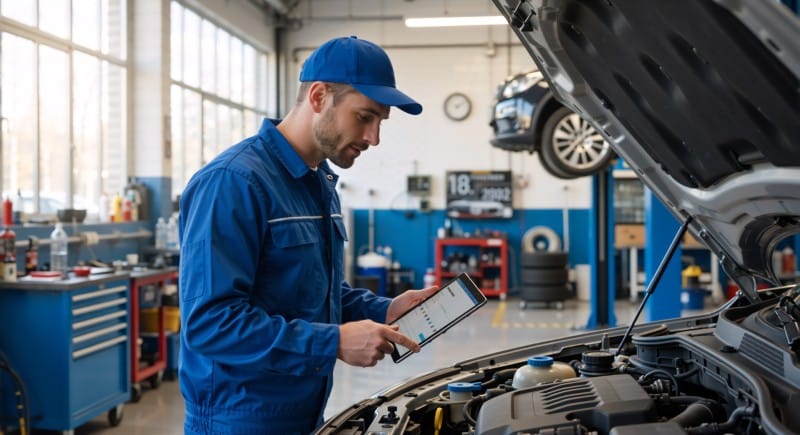
Car Audio Installation MistakesCertified staff understand how to calculate electrical loads and determine whether factory systems can support new accessories. They know when additional power distribution, relays, or upgraded wiring is required.

They apply proper installation protection, including abrasion-resistant loom, grommets, heat shielding, and secure mounting methods. Every connection is made using appropriate terminals, crimps, and insulation techniques.

Most importantly, certified professionals follow safety procedures when working around airbags, sensors, and advanced driver assistance systems (ADAS). They integrate new equipment without interfering with factory protections.

Early Problem Detection Through Professional Diagnostics
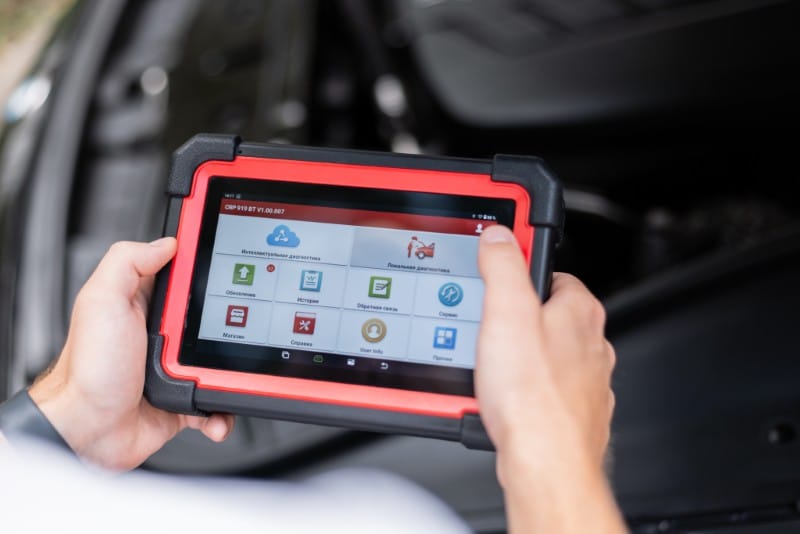
Car Audio Installation MistakesExperienced and trained technicians do more than install equipment. They evaluate the entire vehicle system before, during, and after installation. Voltage testing, resistance measurements, and system scans help identify weaknesses early.

If a factory ground point is marginal, they correct it. If battery capacity is insufficient, they recommend upgrades. If a vehicle shows early signs of electrical stress, it is addressed before damage occurs.

This active approach prevents small concerns from becoming major failures. It also ensures that your upgrades function reliably in real-world driving conditions.

Prevention Is Always Better Than Repair

Repairing electrical problems is rarely simple. It frequently involves disassembling large portions of the vehicle and tracing wiring through tight spaces. Prevention, on the other hand, happens during installation and costs far less.

By choosing a shop with certified salespeople and installation technicians, you invest in lasting reliability. You reduce the risk of breakdowns, unanticipated repairs, and safety compromises. Your systems perform as intended, and your vehicle retains its integrity.

Choosing Confidence Over Compromise

Car Audio Installation MistakesAftermarket upgrades should improve your driving experience, not create future headaches. The safest and most economical approach is to prioritize prevention over repair from the beginning.

Selecting a professional shop with certified staff makes certain that loads are calculated correctly, wiring is protected, and safety systems remain intact. Their training and diagnostic skills help avoid mistakes that lead to hidden costs months later.

When you choose certified professionals, you are choosing dependability, safety, and peace of mind. That decision protects both your investment and your vehicle for years to come.

This article is written and produced by the team at www.BestCarAudio.com. Reproduction or use of any kind is prohibited without the express written permission of 1sixty8 media.
Filed Under: ARTICLES, Car Audio, PRODUCTS, RESOURCE LIBRARY Tagged With: MECP

Upgrade With Confidence Using Certified Professionals

BestCarAudio.com - March 9, 2026

Professional

Upgrading your vehicle is an exciting way to improve comfort, entertainment, safety, and overall driving enjoyment. Whether you are adding a premium sound system, cutting-edge navigation, custom lighting, or driver assistance features, you want to know that the work is done correctly. Today’s vehicles are more technologically advanced than ever, and that complexity makes professional installation even more important.

Choosing a certified professional gives you confidence that your upgrade will improve your vehicle without creating hidden problems. Certified technicians understand how modern vehicles are constructed and how new equipment should be added without disrupting factory systems. When a trained expert handles your upgrade, you can enjoy the results without worrying about lasting dependability.

Protecting Your Vehicle’s Electrical System

ProfessionalModern vehicles count on complex electrical networks that manage everything from engine performance to climate control and safety features. These systems are highly sensitive, and improper wiring can trigger warning lights, cause system malfunctions, or even lead to long-term damage.

Certified professionals know how to identify these systems and work around them safely. They use proper wiring interfaces, vehicle-specific harnesses, and approved connection methods that protect your factory electronics. Instead of cutting into critical wires or relying on guesswork, they follow established procedures that keep your vehicle’s electrical system operating as designed.

For vehicle owners, this leads to fewer problems after installation, fewer unforeseen repairs, and greater confidence that your upgrade will not interfere with everyday driving.

Preserving Factory Safety Features

ProfessionalYour vehicle’s safety systems are designed to work together as an integrated network. Airbags, collision detection, lane assistance, blind spot monitoring, and adaptive cruise control all depend on sensors and control modules communicating accurately. Even small installation mistakes can damage these systems.

When a certified professional performs your upgrade, they understand how these safety features operate and where they are located. If an installation takes place near sensors, cameras, or control modules, the technician takes extra care to ensure nothing is disturbed. They also use diagnostic equipment to verify that systems are working properly after the upgrade is complete.

This focus on detail helps ensure that your vehicle continues to protect you and your passengers just as it did before the modification.

Protecting Your Manufacturer Warranty

ProfessionalOne of the biggest concerns for many vehicle owners is whether aftermarket upgrades will affect their factory warranty. While most warranties remain valid with properly installed accessories, problems arise when poor installation causes damage. In those cases, manufacturers may deny coverage for related repairs.

Certified professionals use approved integration methods and quality components that minimize risk to your vehicle. They avoid practices that can lead to electrical overload, module failure, or system interference. Many also document their work, which can be helpful if questions about warranty coverage ever arise.

By choosing a qualified technician, you reduce the chances that your upgrade will cause costly out-of-pocket repairs in the future.

Why Certification Generates Trust

ProfessionalCertification programs such as the Mobile Electronics Certified Professional program exist to ensure technicians conform to industry standards for knowledge, skill, and professionalism. These programs require ongoing education to keep up with the evolving technology of vehicles.

For you as a vehicle owner, certification is a clear signal of credibility. It means the technician has demonstrated an understanding of modern vehicle systems and proper installation techniques. It also reflects a commitment to doing the job right, not just quickly.

When you work with a certified professional, you are trusting someone who values precision, safety, and long-term performance.

Peace of Mind with Every Upgrade

ProfessionalUpgrading your vehicle should be enjoyable, not stressful. When you choose a certified professional, you gain confidence that your investment stays protected. Your electrical systems remain reliable. Your safety features continue to function correctly. Your warranty stays secure.

Most importantly, you can focus on enjoying your upgraded vehicle rather than worrying about what might go wrong. Certified professionals do more than install equipment. They protect your vehicle, your safety, and your peace of mind.

By choosing expertise and certification, you ensure every upgrade delivers benefits without sacrificing reliability.

This article is written and produced by the team at www.BestCarAudio.com. Reproduction or use of any kind is prohibited without the express written permission of 1sixty8 media.

Filed Under: ARTICLES, Car Audio, PRODUCTS, RESOURCE LIBRARY Tagged With: MECP

Product Spotlight: Rockford Fosgate P2V2-69HO

BestCarAudio.com - March 2, 2026

Rockford Fosgate P2V2-69HO

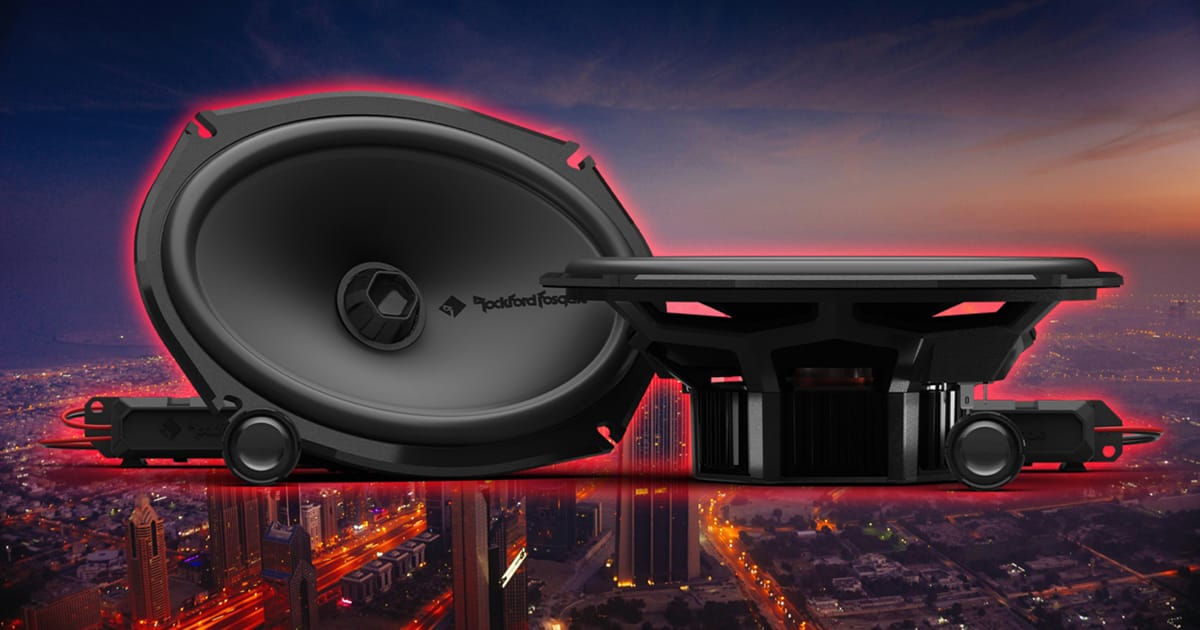
Since the 2025 SEMA show in Las Vegas, Rockford Fosgate fanatics have been talking about the new Punch series speakers. We’ve already taken a look at the P1V2-65 coaxial and P2V2-65 convertible component set. In this spotlight, we are going to check out the High Output convertible 6×9-inch P2V2-69HO set.

Features of the Rockford Fosgate P2V2-69HO

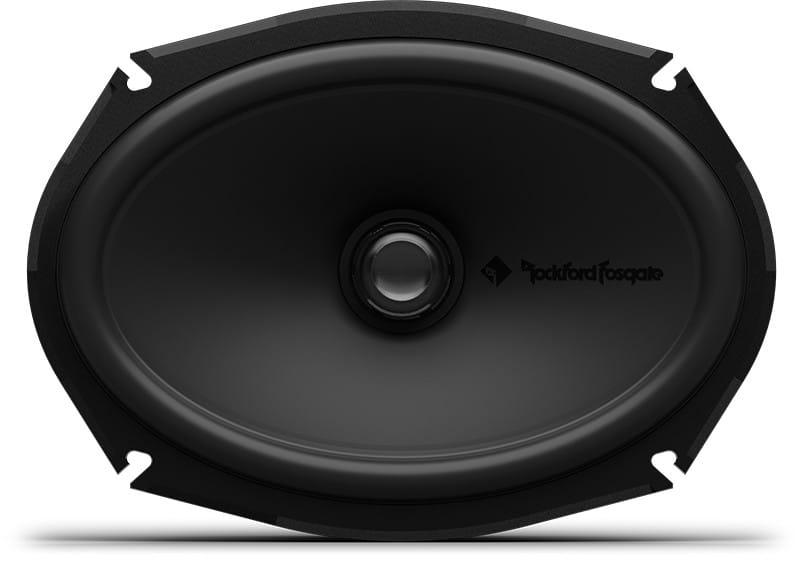
Let’s back up a second and discuss the new Punch Series of speakers. Whereas before now there were three driver performance levels, the latest Punch Series speakers are grouped into coaxial, convertible components, and three-way kits. The P2V2-69HO set includes two 6×9-inch woofers with coaxially mounted 3/4-inch Tetolon-dome tweeters.

The drivers are based on an injection-molded Nylon basket that’s been reinforced with glass fiber to improve rigidity. The cone is injection-molded polypropylene with mica added for damping and thermal stability. The cone shape is curvilinear to help quell resonances and enhance clarity. At the top edge is a durable Santoprene rubber surround featuring VAST 2.0 technology to increase the driver’s effective cone area. The larger cone area equates to greater efficiency compared to competing brands.

At the base of the cone is a linear Nomex spider to which the tinsel leads are sewn to keep them quiet. The voice coil is formed from Kapton to ensure the assembly can handle the as-rated 75 watts of continuous power, with peaks up to 150 watts.

Rockford Fosgate P2V2-69HO
The P2V2-69HO features a mica-damped polypropylene woofer cone and durable Santoprene rubber surround.

The set doesn’t include grilles, but surface-mount units are available as an option with part number GS-69.

Convertible Component Tweeter

As mentioned, this is a convertible component set. This means that the tweeter can be removed from the center of the woofer and mounted separately in the vehicle. For example, if you have a late-model pickup truck, the woofer can go into the stock location in the door, and the tweeter can be installed in the dash, sail panels, or A-pillars. The set includes flush- and A-pillar mount tweeter cups.

Each cup has pigtails to connect to the included passive crossover network. While we are on the topic, the external crossovers have 0 and -3 dB input connections, so your installer can choose whichever better balances the response of the audio system. When the tweeters are mounted in the woofers, a built-in capacitor acts as the filter.

Rockford Fosgate P2V2-69HO
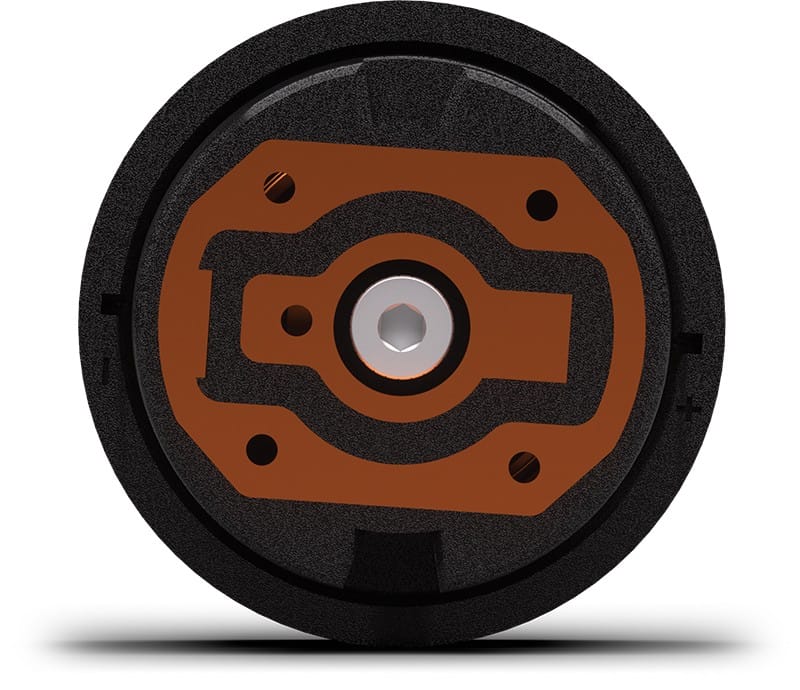
The removable tweeter has traces on the bottom that connect to terminals in the surface-mount or A-pillar cups.

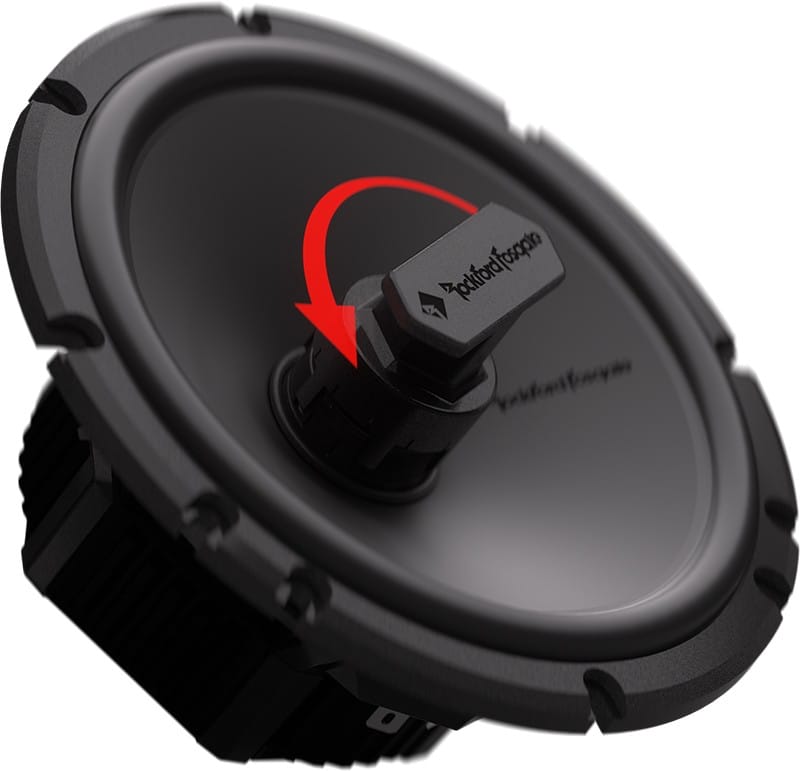
Once the tweeters have been removed, your installer can quickly and easily fit the included phase plugs thanks to the Interchangeable Locking Mechanism (ILM) design. Basically, the tweeters and plugs have a twist-and-lock design that’s executed using the provided tool.

Rockford Fosgate P2V2-69HO
The Interchangeable Locking Mechanism makes it easy for your installer to convert the P2V2-69HO from a coaxial to a component speaker set.

High-Output Design

So, what does Rockford Fosgate mean when they say this is a High Output set? If you look at the specs on the website, you’ll see the P2V2-69 and P2V2-69HO have nearly identical specifications. So, what gives? The HO speakers, which are also available in 6.5- and 6×8-inch sizes, feature a two-ohm voice coil rather than the four-ohm design of the non-HO models.

Why offer two-ohm drivers? It takes power to make sound. The more power you have, the louder the system can play. Rockford Fosgate specifically created these speakers because this is what typical OEM audio systems employ. For OEM systems that use small factory amplifiers, they use lower impedance speakers to get the power needed to drive the system properly. Also, if you have a small amplifier or are using a radio to drive the speakers, the lower impedance will allow the amp to deliver more current and produce more power.

A word of advice: if your amp can deliver more than 60 or 70 watts per channel into a four-ohm load, go with the regular non-HO drivers. The extra power generated by the lower impedance of the HO solutions will exceed the speaker’s power handling rating.

Driver Dimension Optimization

Rockford Fosgate has put significant effort into designing the baskets for the P2V2-69HO and its non-HO brother. They call this their Auto Fit Architecture, and as the name implies, the mounting holes are optimized to fit as many vehicle applications as possible.

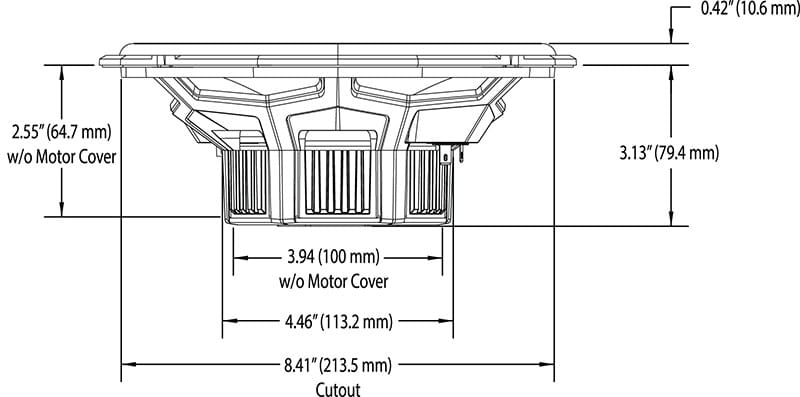
The mounting depth of the set is 3.13 inches with the magnet cover in place. If depth is an issue, the cover can be removed to shorten the speaker to 2.55 inches.

Rockford Fosgate P2V2-69HO
The motor cover can be removed from the P2V2-69HO (and other P1/P2/P3 speakers) to reduce mounting depth requirements.

Upgrade With Rockford Fosgate Punch P2 Speakers Today!

If you are searching for a high-quality 6×9 speaker to work with a small amplifier or the amp in a radio, then drop by a local authorized Rockford Fosgate retailer today and ask for a demonstration of the new P2V2-69HO convertible speaker set. We’re sure you’ll be impressed! Speaking of impressive, all the new Punch speakers come with a 2-year warranty.

You can find a dealer near you using the Dealer Locator tool on the Rockford Fosgate website. We’ve seen lots of great new products from our friends in Tempe over the last year, and we know there is more to come. Stay up to speed with the latest releases by following them on Facebook, Instagram and, of course, YouTube.

This article is written and produced by the team at www.BestCarAudio.com. Reproduction or use of any kind is prohibited without the express written permission of 1sixty8 media.
Filed Under: ARTICLES, Car Audio, PRODUCTS, RESOURCE LIBRARY Tagged With: Rockford Fosgate

A Quick Look at Apple and Android Smartphones

BestCarAudio.com - March 1, 2026

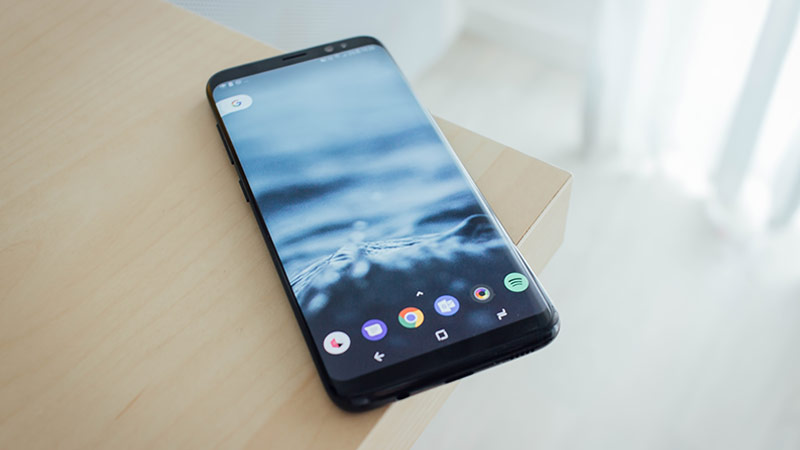
Apple and Android SmartphonesLooking back to the Palm Pilot and the original Blackberry, we have been on a constant path toward having full-blown computers with us at all times. Fast-forward a few decades and it’s rare that folks don’t have a smartphone in their pocket or purse. Apple and Android smartphones have changed the way we communicate and are entertained.

In the mobile electronics industry, we have been working hard to find ways to integrate your smartphone into your vehicle to help you safely communicate and listen to your music. Dive into any discussion about smartphones on Facebook, and you’ll quickly see it turn into a battle of which kind is better. As each device changes, seemingly by the hour, answering that question is nearly impossible. With that said, there are definitely benefits and drawbacks to each. Let’s look at some cold, hard facts about the Android and iOS operating systems and their associated hardware.

A Brief History of the iPhone

Launched in the summer of 2007 by Steve Jobs, the iPhone was touted as a game-changer in communication technology. Apple retains a unique advantage over Android-based smartphones in that it controls not only the hardware chosen for the device but the software as well. The iOS operating system is designed and tested to work together with the iPhone.

iPhone Complaints

Apple and Android SmartphonesWhat company doesn’t have haters? People either love the iPhone for iOS for its interface, associated software and approved hardware accessory devices or hate it for its monopolistic approach. Few people like having to use iTunes to load their music and the cost of MFI (Made for iPhone/iPod) approved cables and devices definitely raises their cost.

Is there a benefit? Definitely. When you buy an approved accessory, you know it will work. When you transfer music, you know it will play. You may lose some of the independence of doing what you want when you want, how you want, but the infrastructure exists to make owning and using an iPhone as trouble-free as possible.

Apple is often criticized by Android users for being late to the party with new features: “Oh, you added facial recognition to the iPhone X and wireless charging to the iPhone 8! That’s great, Android phones had that last year.” Maybe it takes longer for Apple to test these technologies. Maybe the development and testing time for each new phone takes a lot longer. We may never know, but it sure is nice when the features arrive and work flawlessly.

iPhone in the Car

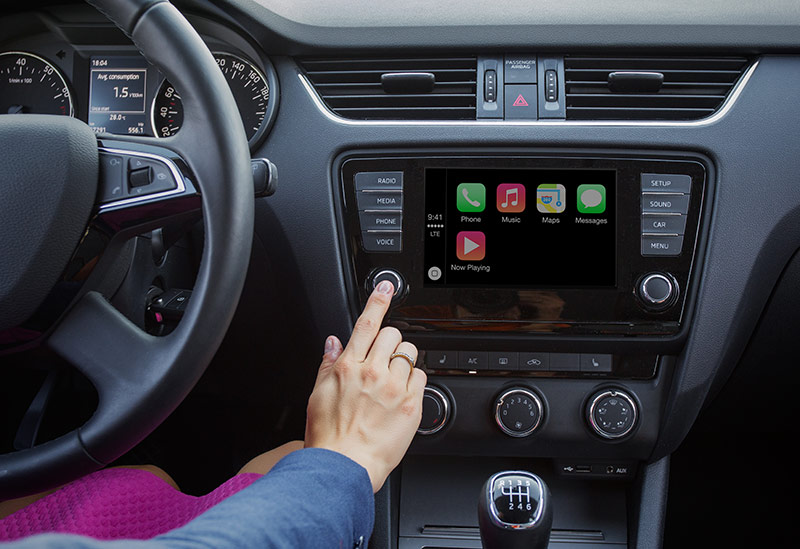
Apple and Android SmartphonesApple led the automotive smartphone connectivity battle with CarPlay. CarPlay was launched at the Geneva Motor Show in 2014 with Ferrari, Mercedes-Benz and Volvo as its first automotive partners. CarPlay offers an interface that mimics the icon layout on the phone to make using the system intuitive.

CarPlay allows users to use the Siri voice recognition engine to perform tasks like listening to text messages, making phone calls, selecting music and choosing navigation destinations. You don’t have to look at the screen at all to initiate any of those tasks.

With Apple under control of the CarPlay software, both OEM and aftermarket infotainment system manufacturers need to send samples to Apple for testing and approval before they can be sold. Apple works at its own pace, and we know this can cause delays. Are they worth it? If the system works the way it should, then most definitely.

Android-Based Smartphones

Apple and Android SmartphonesDeveloped by Google, the Android mobile operating system started development in 2005 and was launched in 2007. At the same time, the Open Handset Alliance – a consortium of hardware, software and telecommunication companies – was launched to advance open standards for mobile devices. The goal of the Open Handset Alliance was to create an open competitor to Symbian, Blackberry OS and iOS-powered devices. The first Android-based device was the T-Mobile G1, developed by HTC and launched in September 2008.

A fun fact about Android is its naming convention for each major release. While this practice is not uncommon, the names are rarely shared with the public. In order, the code names have been Cupcake, Donut, Eclair, Froyo, Gingerbread, Honeycomb, Ice Cream Sandwich, Jelly Bean, KitKat, Lollipop, Marshmallow, Nougat and, most recently, Oreo. Clearly, the Android development team has a snacking issue.

Is Free Good?

Apple and Android SmartphonesAs we stated, the Android mobile operating system is released by Google under an open source license. This means that phone manufacturers don’t need to buy or license the operating system. This can reduce development costs and accelerate the focus on new technology.

As with most things, for every silver lining, there is a dark storm cloud nearby. With phone manufacturers like Samsung, Huawei, LG, Sony and HTC each creating their own hardware and implementation of the Android operating system, updates for each device are at the mercy of the manufacturer and the wireless carriers. With Android about to roll out Version 8.1.0, not every device will get an upgrade.

In May 2017, coinciding with the launch of Android 8.0, Google announced Project Treble with a goal to streamline and simplify the update process for Android-powered devices. Only time will tell how successful they are.

Is Easy Good?

If you want to put a few songs on your Android phone, connect the USB cable to your computer, and drag the files to the Music folder. You can manage the files on your computer however you want, or not at all – if that’s your cup of tea. Similar folders exist for Pictures, Podcasts, Ringtones and Movies. You can treat them the same way you would a USB memory stick.

When Apple announced the iPod would move from Firewire to USB, radio manufacturers were quick to adopt interfaces that would allow control playback of the songs on the device in the car. This adoption took a lot longer for Android, and even up until last year, some source units could not play music stored on an Android phone by simply connecting the USB cable.

Bluetooth Problems

Apple and Android SmartphonesWith Apple and Android smartphones, Bluetooth connectivity is a big issue. Almost everyone has a Bluetooth hands-free solution in their car, so being able to use your phone with it is crucial to your productivity. Apple hasn’t been flawless in terms of backward compatibility to older source units, but for the most part, they seem to work well. Android, on the other hand, has been plagued with connectivity issues that vary by the phone manufacturer. Several aftermarket radio manufacturers cringe when dealers or consumers call about Bluetooth issues from specific brands.

Imagine if you update your smartphone and you can no longer connect to your vehicle’s hands-free system. With Apple, you can complain at the Apple Store or log into their support website. Though they won’t admit it outright, they pay attention to these issues and in many cases, fixes are released in updates.

If you own an Android-based phone, whom do you call when something doesn’t work? The store you bought the phone from? Your carrier? The manufacturer? Google? Simultaneously, each of them and none of them are singly responsible for the issue, nor can any one of them directly help you find a solution. Sure, there are exceptions, but with the open source philosophy of Android, connectivity with third-party devices is a lot more variable.

Android in the Car

Apple and Android Smartphones Android Auto was announced in 2014 as a joint effort between 28 automobile manufacturers. The actual Android Auto app was released on March 19, 2015; in May 2015, the Hyundai Sonata became the first vehicle to offer Android Auto support. Android Auto offers similar functionality to CarPlay, but eschews the menu-driven foundation and provides information about the function you are using on the screen. Voice commands and features work similarly to CarPlay.

Android Auto has an advantage over CarPlay with Google Maps and Waze. Both of these navigation solutions are considered superior to Apple Maps. You will find that many Apple users, unless they are using CarPlay, use the iOS versions of Waze and Google maps for their navigation needs.

Which Phone is Better?

Apple and Android SmartphonesOur goal isn’t to determine a winner in the battle of Apple and Android smartphones – that’s up to each individual user. If you use Macintosh-based computers at home, you may see no better option than to choose an iPhone. If you like the freedom of Android open architecture, there’s absolutely nothing wrong with that.

Integration for Apple and Android Smartphones

No matter which phone technology you use, your local mobile enhancement retailer can help you integrate your phone into your vehicle. CarPlay, Android Auto, wireless charging, audio streaming, hands-free calling solutions or even a custom mounting bracket are available for most vehicles. Drop by and see how they can make using your smartphone in your car safer and easier.

Steve Jobs photo by Ben Stanfield (https://www.flickr.com/photos/acaben/541326656/) [CC BY-SA 2.0 (https://creativecommons.org/licenses/by-sa/2.0)], via Wikimedia Commons

This article is written and produced by the team at www.BestCarAudio.com. Reproduction or use of any kind is prohibited without the express written permission of 1sixty8 media.

Filed Under: ARTICLES, Car Audio, RESOURCE LIBRARY

Why the Shop Matters Most: Certified Technicians Make the Difference

BestCarAudio.com - February 23, 2026

Certified Technicians

When it comes to aftermarket upgrades or vehicle service, the most important factor is not the product itself—it is the quality of the people who install and support it. A professional shop that employs qualified, certified personnel provides value that extends far beyond the initial installation. The shop’s commitment to hiring, training, and retaining competent technicians is what ultimately protects your vehicle and your investment.

Certified TechniciansA reputable shop doesn’t rely on chance when hiring. It seeks technicians with recognized certifications, proven knowledge, and ongoing education. This standard reflects a culture of accountability, professionalism, and trust. Certified technicians are professionals who follow standards, use best practices, and deliver consistent results.

Qualified shops operate with clear processes. Certified technicians follow documentation, quality control, and verification steps. Their work is reviewed and validated before the vehicles are returned. This reduces errors, saves time, and limits rework, giving customers fewer problems and a more predictable experience.

Certified TechniciansAsking a shop about technician qualifications is not confrontational—it is responsible. A professional business expects customers to inquire about credentials and should be prepared to explain what certifications its staff holds and why they matter. Shops that are proud of their workforce often display credentials openly and encourage customers to verify them. This transparency is a clear indicator that the business stands behind its team’s competence.

Long-term relationships matter. Shops that invest in qualified staff better support customers after the sale. Returning for updates, adjustments, or troubleshooting means working with technicians familiar with the shop’s standards and your service history. This continuity ensures efficient, accurate, and accountable service, even years later.

Choosing a shop with certified technicians is about trust in people, not promises. It shows the business values professionalism, invests in staff, and commits to consistent, high-quality service throughout your vehicle’s life.

This article is written and produced by the team at www.BestCarAudio.com. Reproduction or use of any kind is prohibited without the express written permission of 1sixty8 media.

Filed Under: ARTICLES, Car Audio, PRODUCTS, RESOURCE LIBRARY

  • Page 1
  • Page 2
  • Page 3
  • Interim pages omitted …
  • Page 39
  • Go to Next Page »

Primary Sidebar

About Us

About Us

Devine Concepts is a mobile electronics retailer based in Naples, Florida. We are led by Adam Devine, a 20-year veteran in the industry and a Mobile Electronics Association top 50 … [Read More...]

Take a Tour of Our Facility

virtual tour

We invite you to tour our facility virtually. We hope you love what you see. (It’s even better in person!)

Car Audio

Car Audio

Devine Concepts in Naples, Florida, specializes in car audio. While some shops offer this as one of their services, it is the main focus in our facility. In fact, our owner Adam … [Read More...]

Radar / Laser Detectors

Radar / Laser Detectors

One of the specialties at Devine Concepts in Naples, Florida, is laser and radar detectors. We offer both portable and custom-installed solutions to our clients. It is our opinion … [Read More...]

Custom Installation

Custom Installation

Custom Installation

Devine Concepts in Naples, Florida, was founded in 2018 by Adam Devine, an MECP Master Installer with more than 20 years of experience,  and one of the most-awarded mobile … [Read More...]

Footer

Location


Get Directions to Devine Concepts

Address

Devine Concepts

14848 Old 41 Rd Suite 9
Naples, FL 34110
(239) 451-3210

Services

  • Car Audio
  • Custom Installation
  • Driver Safety
  • Radar / Laser Detectors

Connect with Us

  • Facebook
  • Instagram
  • YouTube

Store Hours

Monday, Tuesday, Wednesday, Thursday, Friday9:00 am – 5:00 pm

Copyright © 2026 Devine Concepts · Privacy Policy · Website by 1sixty8 media, inc. · Log in