• Skip to main content
  • Skip to primary sidebar
  • Skip to footer

Devine Concepts

Mobile Electronics Expert in Naples, Florida

  • Home
  • Services
    • Car Audio
    • Custom Installation
    • Driver Safety
    • Radar / Laser Detectors
  • About Us
    • Awards and Accolades
    • Meet the Team
    • Virtual Tour
  • Location
  • Contact Us
  • Facebook
  • Instagram
  • YouTube
  • Search

BestCarAudio.com

About BestCarAudio.com

BestCarAudio.com is a showcase for the very best mobile electronics retailers in the world and a place to educate and inform interested consumers about existing and emerging technologies.

Choosing the Best Car Starter Remote

BestCarAudio.com - December 8, 2025

Best Car Starter

Under the hood, most remote car starters are very similar. Most brands offer two or three different controllers and allow the shop you work with to bundle those units with different remotes, providing varying levels of range and features. In this article, we partnered with the industry-leading remote starter manufacturer Compustar to explain the different options available to consumers. Here’s a simple guide to make choosing the best remote car starter easy.

Shopping for a Remote Car Starter

The shop you choose to install a remote starter is just as important as the hardware and remote you select. Working on modern cars and trucks isn’t as easy as it was decades ago. A modern starter needs to communicate with the engine management system, vehicle body control modules, and factory-installed security systems to function correctly. Making the proper connections and executing the correct programming are tasks best handled by an expert.

If you shop for the lowest-priced remote starter, the chances of issues down the road are exponentially higher than if you choose an expert shop that takes pride in professional installation.

Forego the urge to shop over the phone—visit retailers in your area instead. You’ll quickly get a sense of who is professional and who you should avoid.

1. Remote Start Range

The most significant difference between car starter key fobs is their range. Most modern factory-issued key fobs have a range of a few hundred feet. This means you can likely start your car from across a small parking lot, but you might not be able to start it from inside a store.

Aftermarket fobs range from 1,500 feet to three miles under ideal conditions. It’s better to think of these offerings as power levels. For example, the Compustar CS-925S starter system remote is rated to provide up to 1,500 feet of range. This remote provides two to three times as much power as a factory remote, often doubling or tripling the effective range.

Best Car Starter
The affordable Compustar CS925-S remote starter includes remotes rated for up to 1,500 feet of range.

At the opposite end of the spectrum, some remotes are rated for two to three miles. If you work in a large building, you’ll want the added power of these solutions.

2. Number of Buttons

Remote car starter fobs are available in two styles based on the number of buttons: one-button and multi-function.

One-button remotes are a good choice if you will continue to carry a factory remote that includes a trunk release button. The factory remote often serves as the vehicle’s key and is required to start the car or truck.

Multi-function remotes have four or five buttons that provide dedicated access to locking/arming, unlocking/disarming, trunk release, remote start, and auxiliary functions. The number of buttons on a remote doesn’t define its quality or range—only the number of functions you have access to.

Best Car Starter
The Pro 1WG18 remote provides up to 1,500 feet of range and is backed by a three-year warranty as part of the PRO Series.

3. One-Way and Two-Way Remotes

Another key feature to consider is whether you want a one-way or two-way remote.

With a one-way remote, you send a command to the vehicle by pressing a button. If the car is in range, the command will be executed. If you are too far away, nothing happens.

With a two-way remote, any command sent by the remote and executed by the vehicle is confirmed back to the remote. The remote will beep and flash an LED or icon to notify you. You’ll get confirmations for locking, unlocking, remote starting, and other features.

As a subset of two-way remote options, you can pick from LED or LCD visual indicators. An LED remote will have at least one, often three LEDs that flash to indicate when a command has been executed.

Best Car Starter
The Prime 2WG17 remote includes three LEDs that flash to let you know when the vehicle is locked, unlocked, or the remote starter has been activated.

An LCD remote is considered the highest-end option. These remotes use a small LCD screen with icons to show what commands have been executed and the status of your vehicle. For example, a lock symbol on the remote confirms that the vehicle executed a lock/arm command.

Best Car Starter
The five-button two-way 2WQ9 remote has a two-color LCD that indicates vehicle status.

4. Battery Type

All remotes require a battery to function. The most common type is the CR2032 coin cell. These three-volt batteries are compact, inexpensive, and typically provide more than a year of service in one-way remotes and many months in two-way remotes. It’s a good idea to purchase an extra battery when you buy the remote so you’re prepared when it wears out.

Best Car Starter
The Prime 1WR3 one-button remote uses a CR2032 coin cell as a power source.

Many premium remotes have a built-in lithium-polymer or lithium-ion rechargeable battery. These remotes include a Micro-USB or USB-C port for charging. Under normal use, these two-way LCD units last three to five months between charges. Charging only takes a couple of hours and can be done from any powered USB port—even in your vehicle while driving. One tip: it’s best to limit the charge current to these cells. Using a 500 mA wall charger will maximize battery life.

Best Car Starter
The impressively durable Compustar T12 remote features up to 3 miles of range, an LCD screen, and a rechargeable battery.

5. Weather-Proof Designs

Some remotes, like Compustar’s flagship models, have a full IPX-7 waterproof rating. Basic remotes are typically water-resistant. If you’re prone to dropping your keys or leaving them in your pocket on laundry day, consider a waterproof solution.

Best Car Starter
The Pro T13 remote features an IPX-7 waterproof design and an industry-leading range of three miles.

6. Warranty

When shopping for a remote starter, it’s essential to understand the warranty coverage offered by your retailer and the hardware manufacturer. In most cases, the brain or controller is backed by a lifetime warranty. Additionally, these components should be reprogrammable if you plan to use the hardware in another vehicle with a new harness.

Remotes typically come with a one-year warranty, but premium options, such as Compustar’s PRO Series, offer a three-year warranty for added peace of mind.

Finally, don’t forget to ask about the warranty on labor or workmanship. Many reputable shops provide a lifetime warranty on their installation work, ensuring your remote starter continues to function reliably for years to come.

7. Smartphone Control Options

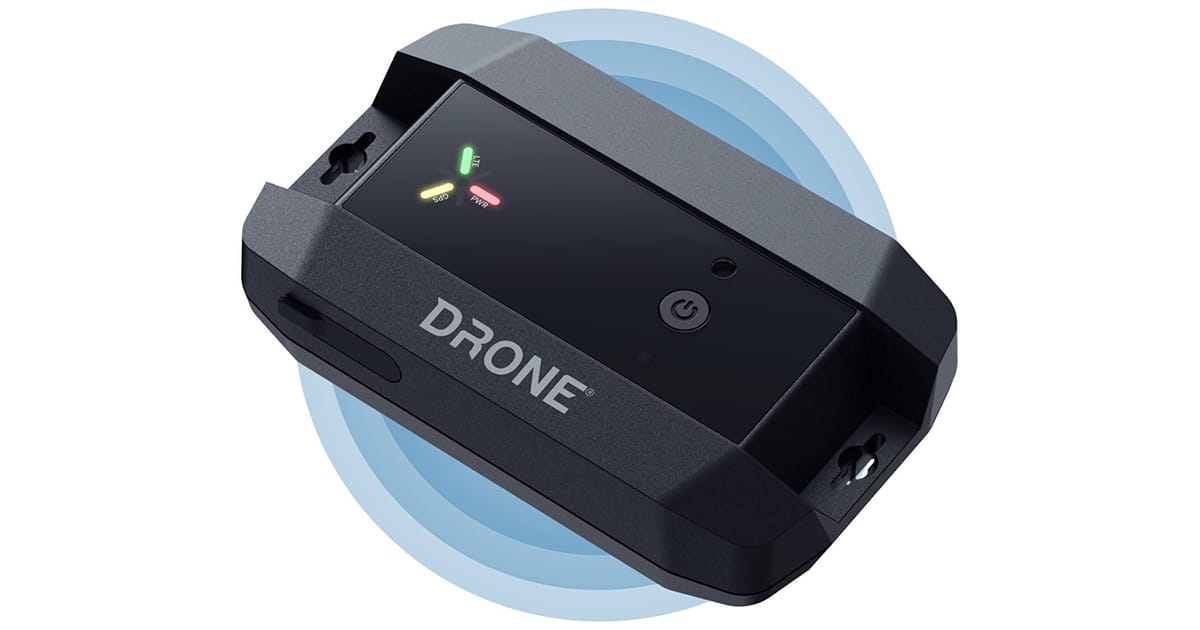
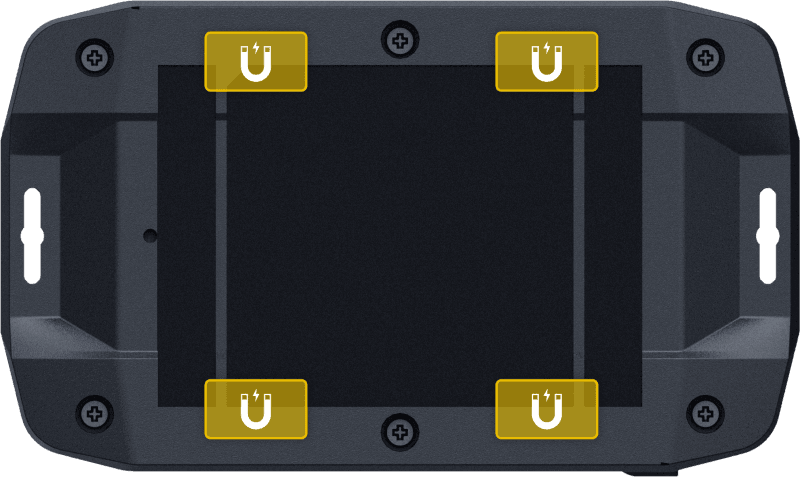
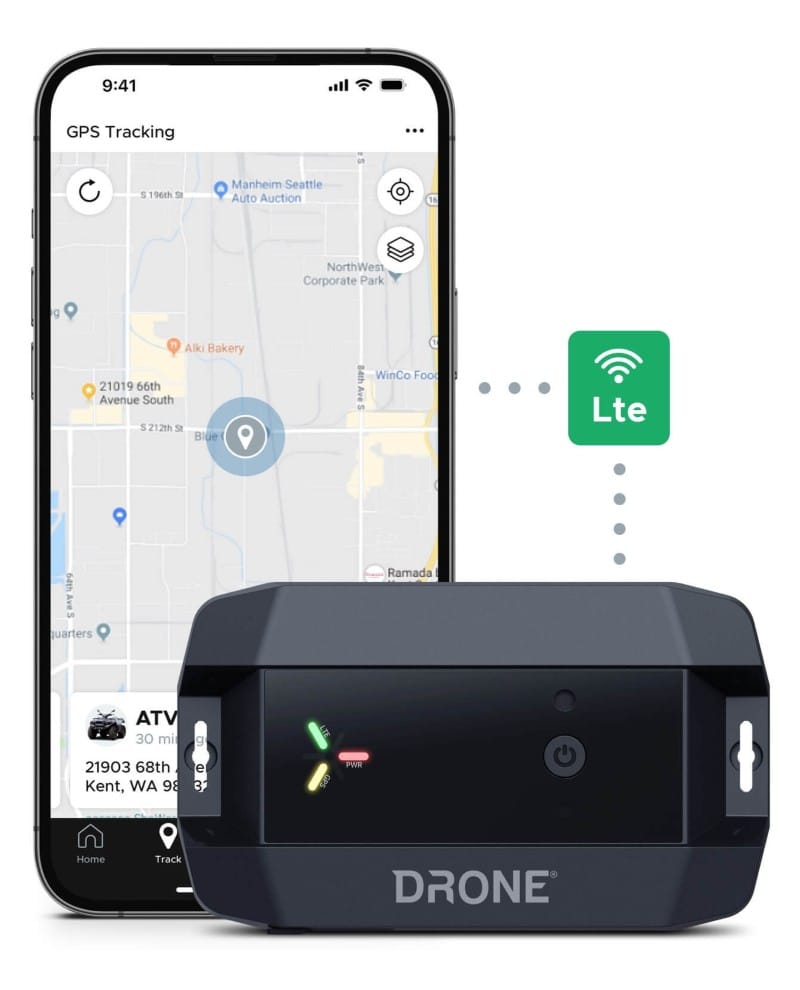
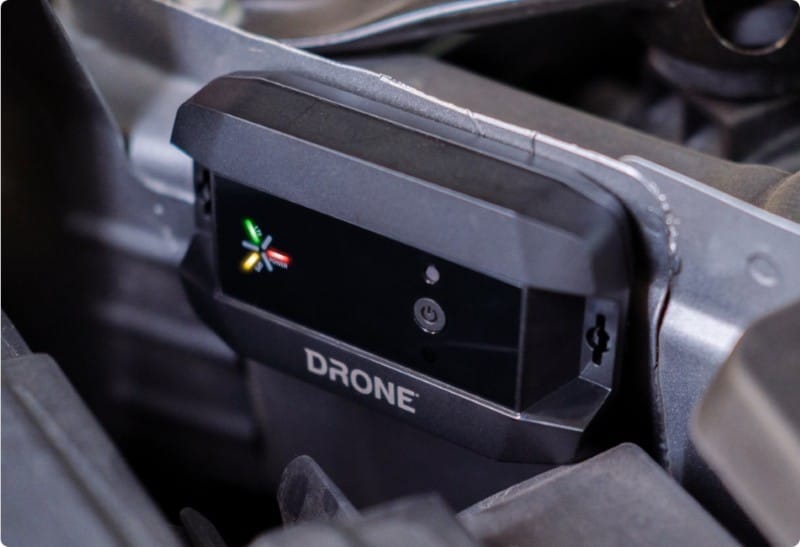
Another option is a smartphone control solution such as Drone. Drone works with an app on your phone that communicates with a small transceiver in the vehicle via the local cellular network. The app allows you to lock, unlock, remote-start, and control auxiliary features, and confirm commands within seconds.

There is a small monthly charge for the cellular service. Retailers can explain available features and service plans, including vehicle tracking and geofencing.

Note: Because Drone and similar services rely on the internet and cellular networks, always carry a regular key fob as a backup in case these services go down. You don’t want to be locked out.

Best Car Starter
The Drone smartphone control system allows you to use your phone to send commands to your remote car starter.

Pick the Best Remote for Your Use Case

When shopping for a remote car starter, your Product Specialist should ask where you park your vehicle relative to where you’ll be when you want to remote start it. If you work in a large manufacturing plant, hospital, or warehouse, you’ll want a long-range remote. If you only start your car in the driveway, range is less critical.

The discussion should also cover features such as trunk/hatch/tailgate releases and power-sliding doors on minivans. Multi-function remotes are ideal for applications that require more than just locking, unlocking, and starting.

Giving your car or truck a few extra minutes to warm up not only makes your commute more comfortable but also allows the engine to operate with warmer coolant and oil, reducing friction and fuel consumption. A remote car starter also makes a great holiday gift—just make sure you pick the best remote for the recipient’s needs.

This article is written and produced by the team at www.BestCarAudio.com. Reproduction or use of any kind is prohibited without the express written permission of 1sixty8 media.
Filed Under: ARTICLES, PRODUCTS, Remote Car Starters, RESOURCE LIBRARY

7 things to Consider When Improving Your Classic Car Audio

BestCarAudio.com - December 7, 2025

Classic Car AudioYou have worked long and hard to get your pride and joy rebuilt. The paint is buttery smooth, the engine purrs like a kitten, and the interior smells of fresh carpet and leather. You stand back, enjoying her beauty. It’s time to go for a cruise. Roll down the windows, pull out on the freeway and enjoy! A few miles down the road, you think, “Hey, a little music would make this even better. Some of the classics! That’s what I need.” You turn on the radio, only to hear static engulfing your favorite radio station and tinny sound from an old paper speaker of your classic car audio system, mounted in the center of the dash. And you were so close to perfection!

Don’t fret – there are hundreds of expert mobile enhancement retailers around the country who can add a little music to your ride without messing with the look of the interior or affecting the value of the car. From a numbers-matching restoration to a junktastic rat rod or the car you had back in high school – adding modern features and great sound isn’t as hard as you think.

1) Define Your Classic Car Audio Objective

Classic Car Audio
Need plenty of volume for windows-down cruising? Let your salesperson know.

Before you go shopping, do some research. Google what other people have done with similar vehicles. Go to a cruise night or car show and ask questions. What car guy doesn’t want to talk about the mods he’s made to his car? Decide whether you need everything to be invisible, or if a little custom work would result in better sound from your system.

While these are harder to quantify, determine your goals and expectations for the system. If you want to sit in the driver’s seat and be able to hear Bruce Springsteen’s voice coming from the middle of the windshield, with his band spread evenly to the left and right, like you were sitting center-stage at a concert, then let your installer know. If you just need some music for a short cruise, that’s entirely achievable. If rocking out to Def Leppard and concert-like volumes are your speed, let ’em know.

How an audio system is designed is based on the goals for the system. A single set of speakers on the rear deck is only going to work for one of these examples. If that is your choice for the other two, you will be disappointed.

2) You’re Going to Need a Source Unit

Classic Car Audio
Sound Depot and Performance integrated a JL Audio Media system in the dash of this classic Bronco.

When it comes to source units, there are countless options. If keeping the vehicle looking absolutely 100% original is the name of the game, then there’s no way you are going to put a modern double-DIN multimedia receiver in the dash or a custom center console. That doesn’t mean you can’t still have great sound. One option is to mount a radio under the seat or in the glove box. Most radios can be controlled by a remote control, and some have smartphone control options. Launch an app on your phone, and that becomes the face of your radio. Pick a station, adjust the volume or select your favorite tunes from a USB memory stick.

If you don’t want anything visible anywhere, that’s not a problem. Your installer can mount a Bluetooth receiver in the dash with a tiny amplifier. The Bluetooth receiver becomes your source unit. You play music from your phone. The phone volume becomes the system volume. It’s pretty easy to use and completely invisible.

If you have headed down the path of a custom project, then working with your fabricator to integrate a modern head unit in the dash or center console is a great idea. You can go with something simple like a CD receiver, or step up to a multimedia receiver with Apple CarPlay and Android Auto. If you are going to be hitting the road, these smartphone integration solutions let you listen to incoming text messages and dictate responses, make phone calls, choose the music you want to listen to and provide turn-by-turn navigation, all by simply talking to the radio.

For a slightly less-conspicuous look, many people choose a marine radio and marine remote control as their source unit. You can hide the radio in the trunk or under a seat, and then control the unit from a wired remote control. These remotes often have LCD displays to let you know what’s playing, and include controls for volume, source selection and track adjustments. Most are sized similarly to standard 3-inch gauges like a tachometer or speedo.

3) Speakers Matter

Classic Car Audio
This custom rear deck grille by Audio Designs looks right at home on the deck of this Chevelle.

If you are a regular reader of BestCarAudio.com, then you will know that speakers are crucial to the overall performance and quality of any sound system. You can invest thousands of dollars in a head unit, amplifiers and signal processors, but if you don’t have great speakers, you won’t have great sound. Speakers are the only link between your equipment and your ears.

Just as with source units, the size of speakers you have installed and their location is going to depend on the style of your classic car. If you have a 32 Ford Model A Roadster, there aren’t going to be speaker locations in the dash to work with. Here are a few options to ensure your system sounds great.

If you do have factory speaker locations, use them. Buy the best speakers you can and have them installed in those locations. If you are worried about the look, have your installer add a piece of grille cloth under the factory grille to conceal any overly shiny attributes of the speaker. This is great for systems that are designed to “add a little music.”

Another option is to replace a factory panel with a custom piece. Let’s say you have a ’79 Corvette. Replace those factory kick panels with a set of custom panels and install a set of coaxial speakers in there. Your installer can finish the panels in a vinyl or leather that matches the factory pattern and ensure that the color looks just right with the rest of your interior. You can keep the factory panels in safekeeping in the event you need to return the car to stock condition.

4) You Can Never Have Too Much Power

Classic Car AudioNo, a blown 500 cubic inch engine is not part of the stereo upgrade recipe (but please don’t let us stop you if that’s part of the plan). We are talking stereo system power. To reproduce music, you need to deliver power to your speakers. If you want to listen at higher volume levels, you need more power. Most radios on the market offer between 18 and 20 watts of real, usable power. If you have a big motor or loud exhaust, or happen to be in a convertible, the radio alone won’t be enough to make your music audible when you’re cruising the Interstate.

Adding a quality amplifier to your system doesn’t just let you turn the volume up; it makes your music sound better at low to moderate volumes. That little bit of extra control is like having the torque of a big block behind your speakers. Your music will have more impact and sound more dynamic.

High-quality amplifiers start in sizes around that of a small brick. That’s right: Something as small as 9 by 3 by 2 inches can provide 50 watts per channel to four speakers without even breaking a sweat. These modern amps will fit up in your dash, under a seat, in a center console or under the rear deck without altering the functionality of your vehicle by taking up all sorts of space.

5) Electrical Systems Requirements

Classic Car Audio
Cars that aren’t regularly driven can benefit from smart charging solutions.

Your audio system works the same way as your engine does: If you want to make more power, you need to deliver more fuel. This might mean larger fuel lines and an upgraded pump if you are the kind of person who likes to have “a little more than stock.” If you install an amplifier in your car, then you have to be sure it is wired correctly. High-quality copper power wire is a must. Forget that cheap aluminum stuff – you don’t want any hassles. All connections have be electrically and mechanically secure to ensure proper power delivery. If you decide to go with a large amp, or have added a subwoofer (we’ll get to that next), then proper power delivery is crucial to ensuring your amplifiers will perform.

Your battery and alternator have to be up to the task as well. If you have a ’74 Beetle with a 50 amp alternator, you won’t be installing a 1,000 watt stereo and listening to it at full volume. Likewise, make sure that battery is in tip-top shape. If you don’t drive the car during the week, invest in a high-quality battery maintenance solution. Keeping that battery topped up will make it last a lot longer and ensure your car is ready to go when you are.

6) If the Shoe Fits, Add a Subwoofer

Classic Car Audio
Kingpin did a great job designing this trunk to hold subwoofers and amplifiers.

We are back to the discussion of what works for your vehicle. If you are headed to Pebble Beach, you may be reading the wrong article. If you are headed to a cruise night, then warming up the sound of your stereo system with a subwoofer is a very good idea. Forget the stereotype of kids driving down the street with their rap music blaring and body panels vibrating. Adding a subwoofer accomplishes two important tasks in terms of improving the performance of your sound system.

Subwoofers are specifically designed to reproduce the bottom two octaves of the music we listen to – that’s 20 to 40 Hz and 40 to 80 Hz. To reproduce these frequencies accurately, a speaker has to move a lot of air. A small 6.5-inch coaxial mounted in your doors isn’t going to produce a 35 Hz sound with any authority or detail. Adding a sub will add these frequencies to your sound system. Drums, bass guitar, a stand-up bass or a kettle drum with have warmth and impact. A subwoofer doesn’t have to rattle your teeth.

The second task a subwoofer accomplishes is to relieve the rest of your speakers from trying to reproduce bass frequencies. If your sub can play up to 80 Hz, then your door or rear deck speakers only has to play down to 80 Hz. Your smaller speakers will sound much better and be able to play those sounds above 80 Hz with more output and detail. Your entire stereo will sound better.

7) Research Your Partner

When you look for someone to work on a classic car (or any car, for that matter), you are trusting them to use their skills and experience to accomplish a task for you. In the same way that it can be hard to find a great mechanic, it takes research to find a great installer. Read reviews, look at examples of their work and talk to other classic car owners. There are some truly amazing installers in the mobile enhancement industry. Once you find one who “gets it,” stick with them. Don’t grind and haggle over a few bucks. Ensure the job is done right, with quality materials, excellent workmanship and extraordinary attention to detail.

Music Makes Every Road Trip Better

Whether you are taking a drive across town to visit a friend or want to join the Hot Rod Power Tour next year, having music along with you can make the trip a lot more enjoyable. Do some research, ask some questions and listen to as many car audio systems as you can. There is a solution for your classic car audio; it’s just a matter of working with the right retailer to find one that fits.

This article is written and produced by the team at www.BestCarAudio.com. Reproduction or use of any kind is prohibited without the express written permission of 1sixty8 media.
Filed Under: ARTICLES, Classic Car Audio, RESOURCE LIBRARY

Product Spotlight: Rockford Fosgate PM400X4

BestCarAudio.com - November 17, 2025

Rockford Fosgate PM400X4

Contrary to how some marine audio amplifier manufacturers approach the design of their products, an amplifier designed for a boat isn’t just painted a different color. From coatings on the circuit board and the finish on the heatsink to the materials chosen for the electrical connections, a marine amp needs to be designed from the ground up for reliability. In this spotlight, we’ll look at what makes the Rockford Fosgate PM400X4 a perfect solution for your marine audio application.

Specifications of the Rockford Fosgate PM400X4

The PM400X4 is a four-channel amplifier rated to produce 50 watts of power into four 4-ohm loads and 100 watts into 2-ohm loads. Each pair of channels can be bridged to provide 200 watts of power into two 4-ohm loads. The bridged configuration would be ideal for a pair of subwoofers or wakeboard tower enclosures, such as the 10-inch Rockford Fosgate M2WL-10H.

Performance-wise, Rockford Fosgate rates the amp as having a bandwidth of 20 Hz to 20 kHz with a tolerance of 1 dB. Most companies use a 3 dB rating. This is a Class A/B amplifier, so you know the frequency response with real dynamic loads is going to be ruler-flat to well beyond where humans can hear. Distortion is specified as less than 1%. We know from our testing that these amplifiers are capable of better than 0.02%, putting them in line with the cream of the crop.

Rockford Fosgate PM400X4
The PM400X4 is a four-channel Class-AB amplifier designed for marine applications.

Design Features

The PM400X4 is based on a cast aluminum heatsink that measures 11.03 by 7.76 inches and stands 2.38 inches tall. The heatsink is finished in a light grey powder coat that’s not only durable but also resistant to fading under prolonged UV exposure.

Speaker, signal, and power connections are made along the front edge of the amp. Terminal blocks with set screws accessible from the top of the amp ensure secure and reliable connections for up to 4-AWG power and ground wires and 8-AWG speaker connections. The terminal blocks use stainless steel hardware to prevent corrosion. The amp has four RCA input jacks that are slightly recessed into the front panel.

Rockford Fosgate PM400X4
Custom-tooled terminal blocks ensure that power and speaker cables are held in place securely.

Signal Processing and Controls

As you can see from the photos, there’s a removable panel on top of the amp that provides access to the controls. Each pair of channels has a sensitivity control that’s adjustable from 150 millivolts to an impressive 12 volts. The RCA input jacks have a balanced differential circuit design. Not only does this help eliminate noise, but it means your installer can connect the output of a factory radio or small amplifier directly to the PM400X4 without the need for a line output converter.

Each pair of channels has a crossover function switch that selects between high-pass, low-pass, or full-range operation. The associated frequency control is adjustable from 50 Hz to 250 Hz, and the crossovers have a -12 dB-per-Octave slope with a Butterworth alignment.

Additionally, Rockford Fosgate included a Punch EQ2 control with each pair of channels. Your installer can dial in up to 18 dB of boost at 45 Hz and 12 dB at 12.5 kHz to give your music a little kick or sizzle. In a marine application, the added high-frequency output can be very beneficial to systems where the speakers are mounted low under the seats.

Rockford Fosgate PM400X4
All the controls and adjustments are concealed behind a removable panel on the amplifier’s top panel.

Keeping Things C.L.E.A.N.

The PM400X4 includes Rockford Fosgate’s C.L.E.A.N. distortion-detecting circuitry on each channel. The amp features an input clip indicator LED beside the RCA jacks to optimize signal-to-noise performance. Each pair of channels has an output clip indicator to let your installer know when the amp reaches maximum output. Setting up an amp with the C.L.E.A.N. circuitry saves time and eliminates clipping, which can add unwanted high-frequency content and damage tweeters.

Element Ready Design

We’ve mentioned the UV-resistant powder coat finish and the stainless-steel terminal hardware. These are just part of the Element Ready design of the PM400X4. Additionally, the circuit board has a two-part epoxy coating that helps eliminate corrosion from exposure to salt, as you’d find near the ocean. The epoxy, combined with hot melt adhesive around significant components like the power supply capacitors, ensures that vibrations and impacts won’t damage the circuit board.

Upgrade Your Marine Entertainment System Today!

If you are interested in having an audio system upgrade designed for your boat, drop by a local Rockford Fosgate retailer. They can combine speakers, subwoofers, and a source with high-quality amplifiers like the Punch PM400X4 to create a system that will sound amazing and last for years.

To find an authorized retailer near you, use the locator tool on the Rockford Fosgate website. While you are online, check out their Facebook, Instagram, and YouTube feeds to stay up to date with the latest product releases and cool event coverage.

This article is written and produced by the team at www.BestCarAudio.com. Reproduction or use of any kind is prohibited without the express written permission of 1sixty8 media.
Filed Under: ARTICLES, Marine Audio, PRODUCTS, RESOURCE LIBRARY Tagged With: Rockford Fosgate

Product Spotlight: Rockford Fosgate M2-200X2

BestCarAudio.com - November 10, 2025

Rockford Fosgate M2-200X2

Having a great-sounding audio system on your boat is one of the best ways to improve your time on the lake or ocean. Rockford Fosgate is an industry leader in marine audio products. Their speakers, subwoofers, source units and amplifiers are at the heart of some of the best-sounding boats on the water. Let’s check out the Punch Series M2-200X2 amplifier in this product spotlight.

Specifications of the Rockford Fosgate M2-200X2

The M2-200X2 is a two-channel amplifier that’s rated to produce 50 watts of power per channel into four-ohm loads. When the load impedance is two ohms, power output increases to 100 watts per channel. The amp can be bridged to deliver 200 watts of power into a single four-ohm load.

From a perspective of performance, Rockford Fosgate rates the amp as having a bandwidth of 20 Hz to 20 kHz and a THD spec of < 1.0%. Having tested several Punch amplifiers in our labs, we know that they dramatically outperform these modest specifications. We’ve seen frequency response measurements that are within 3dB to well below 5 Hz, and THD numbers in the <0.02% range. Punch and Power series amplifiers not only measure well on the bench, but they also sound excellent.

Rockford Fosgate M2-200X2
The M2-200X2 is a two-channel amplifier designed to withstand the challenges of marine applications.

Marine Stereo Amplifier Features

The M2-200X2 is based on the same cast aluminum heatsink design as the Punch Series amplifiers. These high-mass heatsinks are a key component in determining reliability and thermal stability at high power levels. Indeed, there are many compact amps on the market that make similar power claims. However, we doubt they will play at full power for more than 30 minutes without overheating.

The M2-200X2 has a footprint of 6.8 by 8.1 inches and stands 1.9 inches tall. All the power, signal and speaker connections are made along the front edge of the amp to keep the installation tidy. Angled terminal blocks accept 4-AWG power and ground connections, while a smaller block accommodates at least 12-AWG speaker cables.

The amplifier has a pair of RCA input jacks that will accept up to 4 volts. Adjacent to the speaker jacks is a Molex plug for speaker-level inputs. This will take up to 12 volts of signal. The amp has an Auto Remote Turn-On feature that monitors the inputs for the presence of the BTL offset voltage from a head unit or similar amplifier. This is an excellent feature if your installer is connecting the amp to a radio that doesn’t have RCA outputs.

Rockford Fosgate M2-200X2
Power, signal and speaker connections are made via zinc-coated brass terminals along the front edge of the amp.

Signal Processing

The Rockford Fosgate M2-200X2 has a variable crossover that can be adjusted from 50 Hz to 250 Hz. The slope is -12 dB per Octave and features a Butterworth alignment. A switch on the top of the amp allows your installer to select between high-pass or low-pass operation, or to bypass the filtering completely.

The M2-200X2 features Rockford Fosgate’s C.L.E.A.N. circuit on both the input and output, allowing your installer to optimize the amplifier’s power and noise performance. The C.L.E.A.N. LED indicators illuminate when maximum power is achieved.

Element Ready Design

Rockford Fosgate rates the M2-200X2 as being Element Ready. In this application, the amp is constructed with corrosion-resistant materials like a UV-resistant powder-coated cast aluminum heatsink and corrosion-resistant zinc nickel-plated brass hardware. Where the moniker becomes more critical is the use of a conformal coating on the circuit board to prevent corrosion in environments with high salt content. Furthermore, the board and its attached components can withstand impacts and vibrations that would cause problems with lesser products. If your boat takes a pounding as you jump over waves, then this physical stability is crucial to the longevity of your marine audio system.

Rockford Fosgate M2-200X2
The M2-200X2 includes mounting hardware and a hex key to make installation straightforward.

Upgrade Your Boat with Rockford Fosgate Marine Audio

If you are shopping for a great-sounding, reliable amplifier to upgrade your marine audio system, drop by a local authorized Rockford Fosgate retailer and ask about the M2-200X2. This stereo amplifier is an ideal solution for powering a few sets of speakers or a subwoofer. In fact, running two of them would make for a perfect two-way marine audio system that can play for hours and hours.

Visit the Rockford Fosgate website and use their dealer locator to find a shop near where you live. While online, be sure to follow Rockford Fosgate on Facebook, Instagram and YouTube to learn about their impressive marine audio upgrade solutions.

This article is written and produced by the team at www.BestCarAudio.com. Reproduction or use of any kind is prohibited without the express written permission of 1sixty8 media.

Filed Under: ARTICLES, Marine Audio, PRODUCTS, RESOURCE LIBRARY Tagged With: Rockford Fosgate

To Get Better Sound, Do I Need to Replace My Factory Source Unit?

BestCarAudio.com - November 2, 2025

Factory Source UnitNot all that long ago, upgrading the performance of your car audio system required that you replace the factory source unit. The industry had dozens of premium CD receivers with state-of-the-art signal processing and high-end digital-to-analog converters. The popularity of these source units and the audio systems that could be built around them was not lost on automakers.

Slowly, technologies like Bluetooth audio streaming and hands-free calling, USB support for digital audio files, and direct smartphone control have become the norm when you purchase a new vehicle. On the audio side of things, automakers have partnered with companies like Panasonic, Bose and Harman to provide expertise in configuration and tuning to elevate the performance of factory-installed systems dramatically.

If you go shopping for a new vehicle, you may notice that the radio is no longer a single component in the vehicle. Some manufacturers spread audio control and information display across three locations in the vehicle. Replacing the radio simply isn’t an option in many applications.

For those of us who want to upgrade our sound systems, the philosophy and process have changed a great deal. If we can’t replace the radio, can we get great sound? Thanks to ongoing research and innovation, the answer to that question is a resounding “yes.” Let’s look at how this is accomplished.

Fix What’s Broken

Factory Source Unit
Factory speakers are a weak link in an automotive audio system.

The source unit in a modern vehicle usually has most of the features and functionality we need. Smartphone integration solutions like Android Auto and Apple CarPlay, well-tuned Bluetooth hands-free, and a backup camera are very common. Where most audio systems suffer is in the amount of power they have available and the speakers.

Not having enough power means that when you turn the volume up past a certain point, the signal begins to distort. Not only does this sound bad, but it delivers additional energy to the speakers and can damage them. It has been said that you can never have too much power. In terms of ensuring the signal going to the speaker is clean and undistorted, this statement is perfectly true.

The second issue is the speakers that automakers use. Even in premium branded systems with names like Lexicon, Bose, Boston Acoustics or JBL, the speakers are, at best, mediocre. Sure, there are some exceptions, but on average, they lack the accuracy, detail, excursion capabilities and power handling of a quality aftermarket speaker.

If you want to improve the performance of your factory sound system, add more power and have better speakers installed. The recipe is really just that simple.

The Steps to Success

Factory Source Unit
The line of JL Audio FiX processors specialize in signal integration.

The first step your local mobile electronics retailer will take is to determine how best to integrate with the factory radio. In some cases, this is as simple as connecting the speaker wires from the back of the radio to speaker-level inputs on a new amplifier. If the factory stereo system includes an amplifier, then a line level converter may be required to reduce the voltage to something that the new amp can use properly.

If you have a more-advanced factory audio system that includes equalization, crossovers and signal delay, the integration process requires hardware between the factory amp and your new high-power amplifier. Several companies have developed processors that will undo much of the tuning built into these amps and provide a full-bandwidth signal that your installer can use to build the new system.

Another option is to use a factory amplifier replacement module. These devices accept the audio signal from the radio and, in most cases, capture volume control information from the vehicle’s CAN bus. The output of these replacement modules works just like an aftermarket radio – we have a full-bandwidth signal that can be used to drive new amplifiers.

Advanced System Integration

Factory Source Unit
A DSP give your installer control over your audio signal.

At the highest levels of factory audio system integration are systems that include upmixers. An upmixer is a device that takes the stereo audio signal from your radio, iPhone or CD and converts it to multiple channels. In most cases, this includes left, center, right, left rear, right rear and subwoofer signals. Why do automakers implement upmixers? When tuned properly, your music will sound great from every seat in the vehicle. Both the driver and passenger will hear a performer recorded at the center of the stage from the middle of the dash.

To integrate with these systems, it’s often best if we keep the factory signal processing in place, then add a digital signal processor (DSP) between the factory amp and the new high-power amplifiers. The DSP lets us fine-tune the frequency response of the system so the new speakers can produce an amazingly accurate and lifelike listening experience.

Speaker Upgrades

Factory Source Unit
Car Audio display boards don’t always give an accurate representation of what you will hear in your car.

As we mentioned, it is important to upgrade the speakers in your vehicle to achieve an overall improvement in sound quality. Premium speakers provide smoother frequency response, extended bandwidth (they play lower and higher in the frequency spectrum), increased power handling and louder volume. If you are going to add amplifiers, then it only makes sense to ensure your speakers will be able to make use of that newfound power.

Speaker shopping can be somewhat difficult. Listening to speakers on display boards doesn’t always provide a sense of what those speakers will sound like in the vehicle. A close look at the speaker design, research into the brand’s reputation and a thorough understanding of speaker technologies may prove to be a better way to shop.

One problem with this approach is marketing. No matter the quality of a new speaker, every manufacturer wants people to think that their products are the best. Filtering the genuine features from the marketing fluff can be difficult. Work with your retailer to find a solution that sounds great, fits your budget and works with your application.

System Installation

Factory Source Unit
Using high quality cables can help ensure great sound and reliability.

If only installing mobile electronics equipment were as easy as setting up a new microwave. We can’t simply plug it in and turn it on. Wires have to be run, connections have to be made and equipment has to be mounted. Budget for these requirements before you go shopping. The performance of a new speaker in your vehicle depends as much as on how it is installed as on its design.

If you are changing speaker sizes, you will want plastic adapters instead of wood to eliminate the chance of damage due to water infiltration. You will want high-quality interconnects to ensure noise can’t creep into the system. You will need large-gauge power wire to deliver current to your new amplifiers efficiently. Talk to your retailer about the products and processes he uses.

It’s Not Over Yet

Factory Source UnitThe last step of the installation process is to tune the system. Even the addition of a subwoofer requires proper tuning. The installer should confirm that the output of the sub is combining acoustically with the rest of the speakers in the vehicle. The sensitivity of the amplifier should be set so the systems have excellent overall balance and won’t distort when the volume is turned up.

At the top end of the spectrum, systems with new DSP units require that each channel of the sound system be tuned to provide smooth frequency response. Having the right channel a little brighter or more laid back than the left will cause the location of a performer or an instrument to seem to move around the vehicle as its frequency content changes. We want everything to be stable and naturally balanced. Budget for at least an hour or two of tuning to ensure you are getting everything you can from your upgrade.

Enjoy Better Sound

Upgrading your sound system with new amplifiers and speakers is a great way to increase maximum volume, reduce distortion, and improve imaging and staging. The process most certainly doesn’t require a new source unit, but it does take some planning. Work with your local mobile electronics retailer to design an upgrade for your sound system. The experience will truly let you enjoy your music in a way you have never heard before.

This article is written and produced by the team at www.BestCarAudio.com. Reproduction or use of any kind is prohibited without the express written permission of 1sixty8 media.
Filed Under: ARTICLES, Car Audio, RESOURCE LIBRARY

  • Page 1
  • Page 2
  • Page 3
  • Interim pages omitted …
  • Page 36
  • Go to Next Page »

Primary Sidebar

About Us

About Us

Devine Concepts is a mobile electronics retailer based in Naples, Florida. We are led by Adam Devine, a 20-year veteran in the industry and a Mobile Electronics Association top 50 … [Read More...]

Take a Tour of Our Facility

virtual tour

We invite you to tour our facility virtually. We hope you love what you see. (It’s even better in person!)

Car Audio

Car Audio

Devine Concepts in Naples, Florida, specializes in car audio. While some shops offer this as one of their services, it is the main focus in our facility. In fact, our owner Adam … [Read More...]

Radar / Laser Detectors

Radar / Laser Detectors

One of the specialties at Devine Concepts in Naples, Florida, is laser and radar detectors. We offer both portable and custom-installed solutions to our clients. It is our opinion … [Read More...]

Custom Installation

Custom Installation

Custom Installation

Devine Concepts in Naples, Florida, was founded in 2018 by Adam Devine, an MECP Master Installer with more than 20 years of experience,  and one of the most-awarded mobile … [Read More...]

Footer

Location


Get Directions to Devine Concepts

Address

Devine Concepts

14848 Old 41 Rd Suite 9
Naples, FL 34110
(239) 451-3210

Services

  • Car Audio
  • Custom Installation
  • Driver Safety
  • Radar / Laser Detectors

Connect with Us

  • Facebook
  • Instagram
  • YouTube

Store Hours

Monday, Tuesday, Wednesday, Thursday, Friday9:00 am – 5:00 pm

Copyright © 2025 Devine Concepts · Privacy Policy · Website by 1sixty8 media, inc. · Log in